이 글은 일반적인 법률 정보 제공을 목적으로 작성되었습니다. 개별 사건에 대한 법률 조언이 아니며, 구체적인 법적 사안은 자격을 갖춘 법률 전문가와 상담하시기 바랍니다.
Learn how to identify wage theft, gather evidence, and take legal action to recover unpaid wages and overtime under U.S. law.
Wage theft and unpaid wages overtime violations affect millions of American workers each year. Whether your employer is withholding overtime pay, misclassifying you as exempt, or simply not paying you for all hours worked, these practices are illegal under federal and state law. This guide explains your rights, the evidence you need, and the steps to take action.
The Fair Labor Standards Act (FLSA) is the primary federal law governing minimum wage and overtime. It requires most employers to pay non-exempt employees 1.5 times their regular rate for hours worked beyond 40 per week. Violations can result in back pay plus an equal amount in liquidated damages.
Employee Misclassification is one of the most common wage theft tactics. Employers sometimes label workers as independent contractors or "exempt" salaried employees to avoid overtime obligations. Being paid a salary does not automatically make you exempt — specific duties tests under the FLSA determine true exempt status.
State Law Protections often exceed federal standards. Many states have higher minimum wages, shorter pay periods, daily overtime rules (e.g., California), or broader definitions of compensable time. You may be able to claim under both federal and state law, whichever provides greater recovery.
Under the FLSA, you generally have two years from the date of the violation to file, extended to three years if the violation was willful. Many states have their own statutes of limitations that may be longer. Acting promptly protects your right to recover the maximum amount.
Federal law and most state laws prohibit employer retaliation for filing a wage complaint or participating in an investigation. If you are fired, demoted, or harassed after asserting your rights, you may have a separate retaliation claim with its own remedies.
Successful claimants may recover unpaid back wages, liquidated (double) damages under the FLSA, attorney's fees, and court costs. Some state laws provide for additional penalties or multiplied damages, making recovery potentially significant.
You can file a WHD complaint without a lawyer. However, for complex cases, class actions, or larger amounts, an employment attorney can significantly improve your outcome. Many work on contingency for wage claims, so upfront cost is often not a barrier.
Use ROY's free AI analysis to understand how the law applies to your specific situation.
This article provides general legal information only and does not constitute legal advice for your specific situation. Laws vary by state/territory. Consult a qualified lawyer for advice tailored to your circumstances.
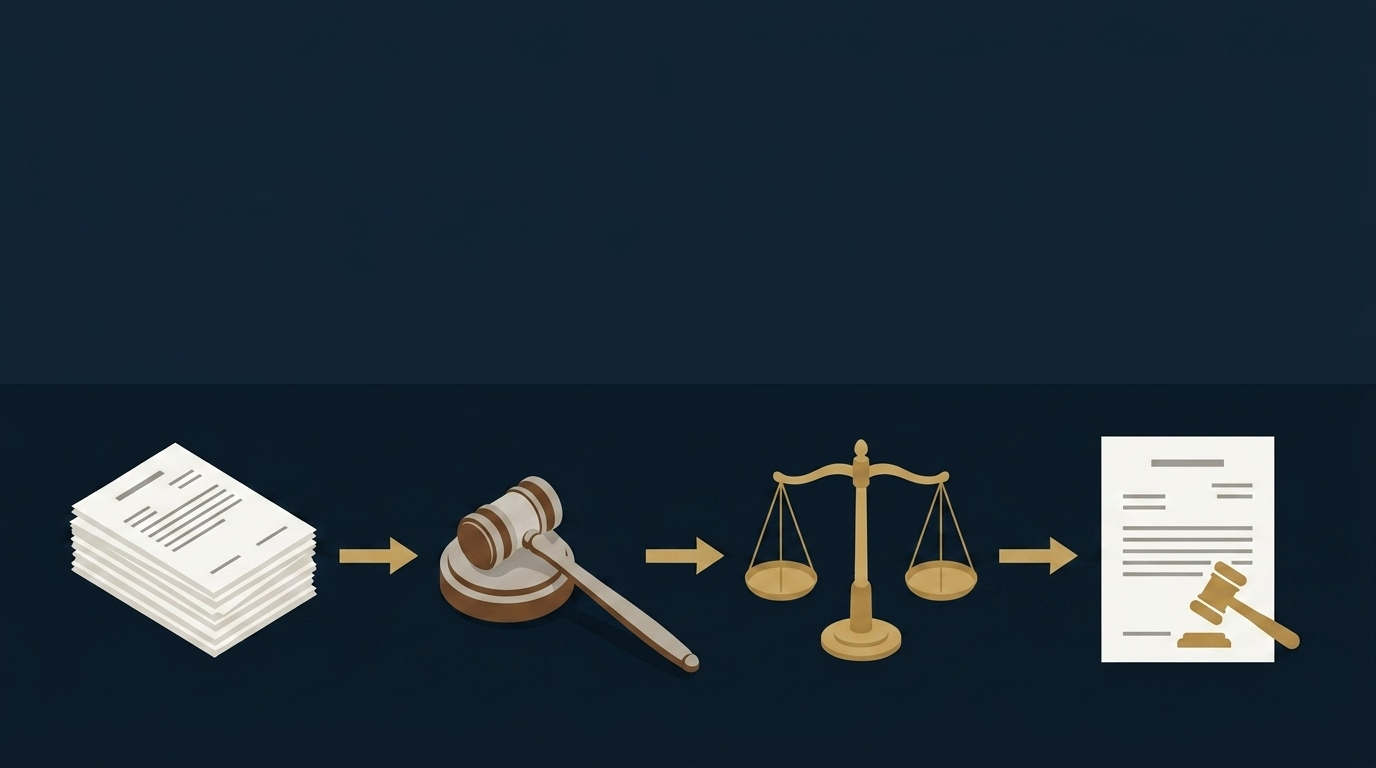
Review your pay records and work history to estimate the unpaid amounts. Identify specific pay periods where you worked more than 40 hours without overtime, or were not paid for all hours. The look-back period under the FLSA is generally two years (three years for willful violations).
Consider notifying your employer in writing, such as through HR, before filing a formal complaint. Keep copies of all correspondence. Employers are prohibited from retaliating against workers who assert wage rights — retaliation itself is a separate legal violation.
You can file a complaint with the U.S. Department of Labor's Wage and Hour Division (WHD) or your state labor agency at no cost. Alternatively, you may file a private lawsuit in federal or state court, often on a contingency basis (meaning no upfront legal fees). Many employment attorneys offer free initial consultations for wage claims.
팩트에 기반한 판례·사례입니다. '원문 보기'를 클릭하면 국가법령정보센터 등 공식 출처로 이동합니다.
McDonnell Douglas Corp. v. Green — discrimination burden-shifting
Framework for proving employment discrimination
The Supreme Court set out the burden-shifting framework: the plaintiff establishes a prima facie case, the employer offers a legitimate reason, and the plaintiff may then show pretext.
※ Leading U.S. precedent — reference only
Burlington Industries, Inc. v. Ellerth — supervisor harassment liability
Employer liability for a hostile work environment created by a supervisor
The Supreme Court held employers may be liable for a supervisor-created hostile work environment, subject to an affirmative defense where no tangible employment action occurred.
※ Leading U.S. precedent — reference only
팩트에 기반한 판례·사례입니다. '원문 보기'를 클릭하면 국가법령정보센터 등 공식 출처로 이동합니다.
* 위 수치는 ROY AI의 유사 사건 분석 기반 추정치입니다. 개별 사건의 결과와 다를 수 있으며, 법률적 조언이나 결과 보장이 아닙니다.
지금 상황을 입력하면 AI가 쟁점을 정리하고, 유사 사례 기반 결과 분포와 전문 로펌 연결까지 한 번에 제공합니다.
이 문서는 일반적인 법률 정보 제공 목적으로 작성되었으며, 개별 사건에 대한 법률 자문, 법적 조언, 또는 결과 보장이 아닙니다. 구체적인 법적 사안에 대해서는 반드시 자격을 갖춘 법률 전문가와 상담하시기 바랍니다. ROY Legal Insights는 정보 제공 서비스이며, 법무법인이 아닙니다. 최초 발행일: 2026.04.07.