
이 글은 일반적인 법률 정보 제공을 목적으로 작성되었습니다. 개별 사건에 대한 법률 조언이 아니며, 구체적인 법적 사안은 자격을 갖춘 법률 전문가와 상담하시기 바랍니다.
Learn how family visa sponsorship and reunion works in the US, including key steps, timelines, costs, and common mistakes to avoid.
Family visa sponsorship and reunion applies to US citizens and lawful permanent residents (LPRs) who want to bring eligible family members to live permanently in the United States. The process involves filing immigration petitions, meeting financial requirements, and navigating consular or adjustment procedures. Timelines vary significantly depending on the sponsor's immigration status and the family relationship involved.
Before filing anything, confirm your eligibility as a sponsor. US citizens can petition for spouses, children, parents, and siblings. LPRs can petition for spouses and unmarried children only. Gather documents proving your status, such as a US passport, naturalization certificate, or green card.
Collect evidence of the qualifying family relationship. This includes birth certificates, marriage certificates, adoption records, or other official documents. All foreign-language documents must be accompanied by certified English translations. Also assess your financial situation — sponsors must meet income thresholds under the Affidavit of Support (Form I-864) requirements.
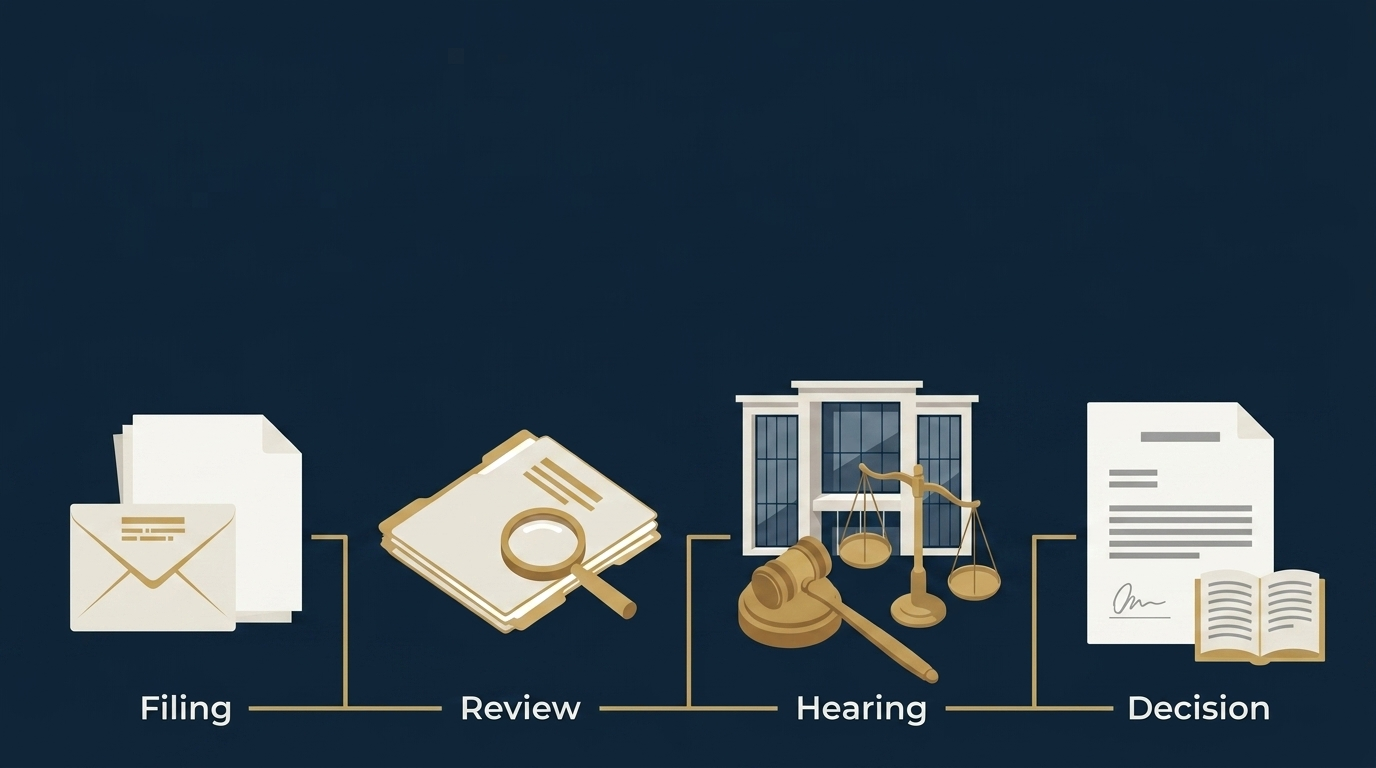
In family immigration, the equivalent of formal notice is filing Form I-130 (Petition for Alien Relative) with US Citizenship and Immigration Services (USCIS). This petition establishes the qualifying relationship between you and your family member abroad. Submit the form with the required filing fee and supporting documents.
Upon receipt, USCIS issues a Notice of Action (Form I-797) confirming your petition is being processed. Keep this document carefully — it contains your receipt number for tracking. If your family member is already in the US lawfully, concurrent filing for adjustment of status may be possible.
Once the I-130 is approved, the next stage depends on visa availability. Immediate relatives of US citizens (spouses, unmarried children under 21, and parents) have no annual visa caps, so processing moves directly to the National Visa Center (NVC) or adjustment of status. Preference categories — such as adult children or siblings — must wait for a visa number to become available under the annual quota system.
The NVC collects financial and civil documents before scheduling a consular interview at a US Embassy or Consulate abroad. Your family member attends this interview and, if approved, receives an immigrant visa to enter the United States. Filing fees at this stage include the immigrant visa application fee (currently around $325) and the Affidavit of Support fee.
If the visa is approved at the consular interview, your family member enters the US and becomes a lawful permanent resident. Their green card is mailed to the US address provided. If the application is denied, the consular officer will explain the reason, and in some cases a waiver may be available.
Statutes of limitations are not typical in immigration petitions, but delays can arise from document issues, background checks, or visa backlogs. Some preference category waits currently exceed 20 years for certain countries. Staying on top of the Visa Bulletin published monthly by the Department of State helps track progress.
Immediate relative petitions for US citizens can take 12–24 months end-to-end. Preference categories may take years or even decades depending on the country of birth and relationship category.
Sponsors generally must demonstrate income at or above 125% of the Federal Poverty Guidelines for their household size, as set out under the Affidavit of Support requirements.
Yes, LPRs can sponsor spouses and unmarried children, but these fall under preference categories with annual caps, meaning longer wait times than immediate relative petitions.
The consular officer will provide a reason. Depending on the ground of denial, a waiver (such as Form I-601) may be available. Consulting an immigration attorney at this stage is strongly advisable.
Use ROY's free AI analysis to understand how the law applies to your specific situation.
This article provides general legal information only and does not constitute legal advice for your specific situation. Laws vary by state/territory. Consult a qualified lawyer for advice tailored to your circumstances.


팩트에 기반한 판례·사례입니다. '원문 보기'를 클릭하면 국가법령정보센터 등 공식 출처로 이동합니다.
Zadvydas v. Davis — limits on immigration detention
Whether removable non-citizens may be detained indefinitely
The Supreme Court held that detention of admitted immigrants who cannot be removed is generally limited to a reasonable period (presumptively six months) absent a foreseeable prospect of removal.
※ Leading U.S. precedent — reference only
팩트에 기반한 판례·사례입니다. '원문 보기'를 클릭하면 국가법령정보센터 등 공식 출처로 이동합니다.
* 위 수치는 ROY AI의 유사 사건 분석 기반 추정치입니다. 개별 사건의 결과와 다를 수 있으며, 법률적 조언이나 결과 보장이 아닙니다.
지금 상황을 입력하면 AI가 쟁점을 정리하고, 유사 사례 기반 결과 분포와 전문 로펌 연결까지 한 번에 제공합니다.
이 문서는 일반적인 법률 정보 제공 목적으로 작성되었으며, 개별 사건에 대한 법률 자문, 법적 조언, 또는 결과 보장이 아닙니다. 구체적인 법적 사안에 대해서는 반드시 자격을 갖춘 법률 전문가와 상담하시기 바랍니다. ROY Legal Insights는 정보 제공 서비스이며, 법무법인이 아닙니다. 최초 발행일: 2026.04.07.