이 글은 일반적인 법률 정보 제공을 목적으로 작성되었습니다. 개별 사건에 대한 법률 조언이 아니며, 구체적인 법적 사안은 자격을 갖춘 법률 전문가와 상담하시기 바랍니다.
Understand how power of attorney and guardianship work in the US, when each applies, and the steps to put legal protections in place.
Planning for incapacity is one of the most important steps in estate planning. A power of attorney (POA) lets a trusted person make decisions on your behalf, while guardianship is a court-supervised process that takes over when no such planning exists. This guide covers the key differences, what documents you need, and how to navigate both processes in the United States.
A standard POA becomes void if the person who created it (the "principal") loses mental capacity. An enduring or durable power of attorney is specifically designed to survive incapacity, making it the preferred tool in estate planning. Each state has its own requirements for creating a valid durable POA, but most require written authorization, the principal's signature, and notarization or witness signatures.
If a person becomes incapacitated without a durable POA in place, family members may need to seek guardianship (or conservatorship for financial matters) through the courts. This process is more expensive, time-consuming, and public than private POA arrangements. Courts appoint a guardian only after finding the person legally incapacitated, and the guardian remains under ongoing court oversight.
Both POAs and guardianship orders define the scope of authority granted. A healthcare POA (also called a healthcare proxy) covers medical decisions, while a financial POA covers property and money matters. Guardianship orders may be limited or plenary (full), depending on the individual's needs. Overstepping granted authority can expose an agent or guardian to legal liability.
In most cases, yes. A properly executed durable power of attorney—covering both healthcare and financial matters—can eliminate the need for court-ordered guardianship. However, if the document is challenged, improperly drafted, or the principal lacked capacity when signing, guardianship proceedings may still be required.
Timelines vary by state and court caseload. An uncontested guardianship can take several weeks to a few months. Contested cases, where family members disagree or the proposed ward objects, can take considerably longer and involve higher legal costs.
Challenges to a POA—such as claims of fraud or undue influence—are generally governed by state-specific statutes of limitations, which commonly range from two to six years from discovery of the issue. Acting promptly is important if you suspect abuse of a POA.
If a court appoints a guardian after a POA is already in place, the guardian's authority may supersede the POA agent's, depending on the court order and state law. Some states allow the court to revoke a POA as part of the guardianship order.
Yes. A principal who retains legal capacity may revoke a POA at any time by creating a written revocation, notifying the agent, and informing any institutions (such as banks) relying on the document. It is advisable to put the revocation in writing and have it notarized.
Use ROY's free AI analysis to understand how the law applies to your specific situation.
This article provides general legal information only and does not constitute legal advice for your specific situation. Laws vary by state/territory. Consult a qualified lawyer for advice tailored to your circumstances.

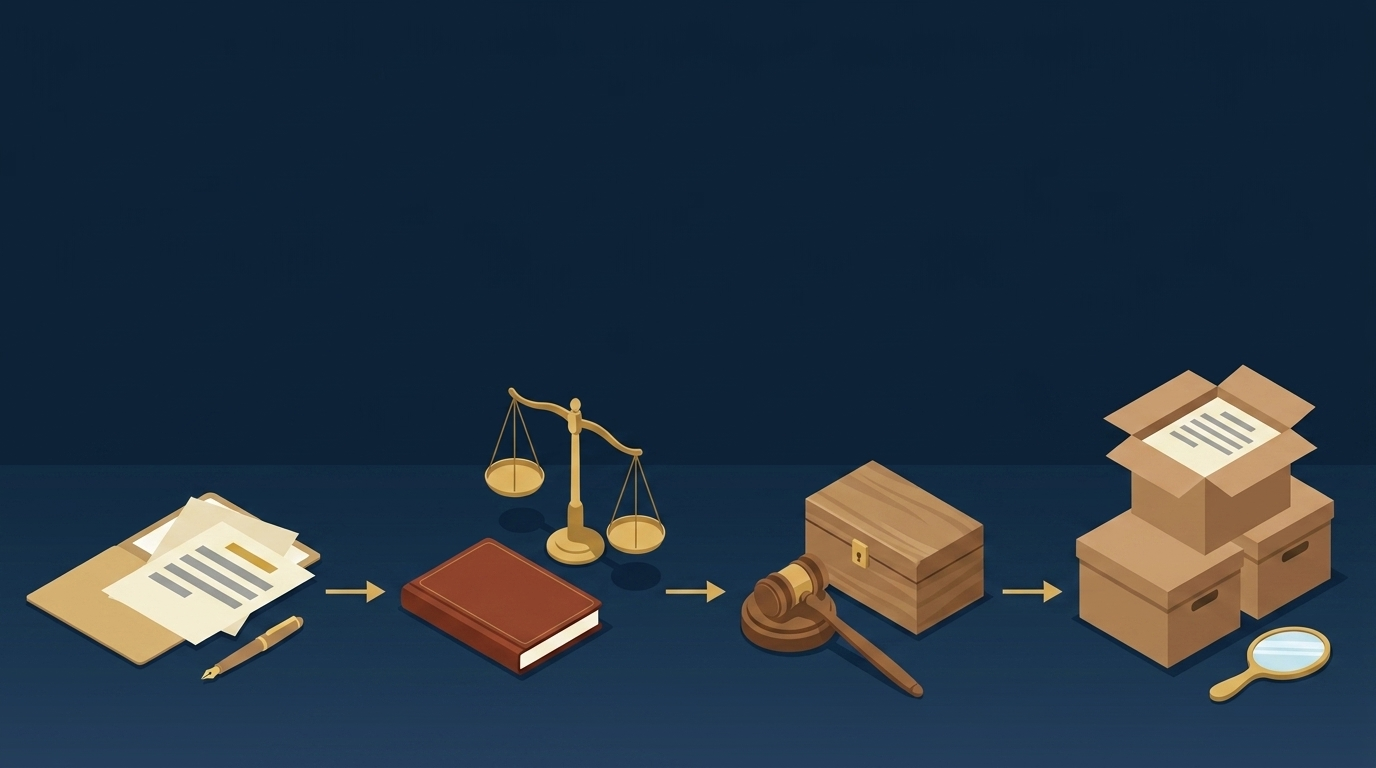
Determine whether the person still has legal capacity to sign a durable POA. If they do, a properly drafted POA is faster and less costly than guardianship. If capacity is already lost, a court proceeding will likely be required.
For a durable POA, work with an estate planning attorney to draft a document that meets your state's specific requirements. For guardianship, file a petition with the appropriate probate or family court, serving notice on the proposed ward and close relatives.
A POA must be signed, witnessed, and notarized per state law to be valid. For guardianship, attend the court hearing, present medical evidence, and await the judge's order appointing a guardian. Once granted, register or record documents as required in your state.
팩트에 기반한 판례·사례입니다. '원문 보기'를 클릭하면 국가법령정보센터 등 공식 출처로 이동합니다.
Estate of Arnold — undue influence and testamentary free agency
What undue influence must show to invalidate a testamentary disposition
The court explained that undue influence must amount to coercion that destroys the testator’s free agency for a will or disposition to be set aside.
※ Leading U.S. precedent — reference only
Andersen v. Hunt — capacity to execute a trust amendment
The mental capacity standard required to make a trust amendment
The court clarified that the capacity required to execute a trust amendment is measured against the complexity of the act, guiding capacity challenges in estate disputes.
※ Leading U.S. precedent — reference only
팩트에 기반한 판례·사례입니다. '원문 보기'를 클릭하면 국가법령정보센터 등 공식 출처로 이동합니다.
* 위 수치는 ROY AI의 유사 사건 분석 기반 추정치입니다. 개별 사건의 결과와 다를 수 있으며, 법률적 조언이나 결과 보장이 아닙니다.
지금 상황을 입력하면 AI가 쟁점을 정리하고, 유사 사례 기반 결과 분포와 전문 로펌 연결까지 한 번에 제공합니다.
이 문서는 일반적인 법률 정보 제공 목적으로 작성되었으며, 개별 사건에 대한 법률 자문, 법적 조언, 또는 결과 보장이 아닙니다. 구체적인 법적 사안에 대해서는 반드시 자격을 갖춘 법률 전문가와 상담하시기 바랍니다. ROY Legal Insights는 정보 제공 서비스이며, 법무법인이 아닙니다. 최초 발행일: 2026.04.07.