이 글은 일반적인 법률 정보 제공을 목적으로 작성되었습니다. 개별 사건에 대한 법률 조언이 아니며, 구체적인 법적 사안은 자격을 갖춘 법률 전문가와 상담하시기 바랍니다.
Facing an employment contract non-compete dispute? Learn your rights, key evidence, and step-by-step process to protect yourself.
Non-compete disputes are among the most common and stressful employment contract conflicts in the United States. They affect workers across industries — from software engineers to sales executives to hairdressers. This guide explains the key legal issues, the evidence you need, and the steps to take if you're facing an employment contract non-compete dispute.
Not all non-compete agreements are legally enforceable. Courts generally require that the restriction be reasonable in scope, duration, and geographic area. Some states — including California, Minnesota, and North Dakota — ban non-competes almost entirely, while others enforce them strictly.
An employer may sue after you've already taken a new job, or seek a court injunction (a legal order stopping you from working) before any actual harm occurs. Understanding whether you face an active breach claim or a threatened enforcement action affects your strategy significantly.
A non-compete signed after your employment began may lack valid consideration — the legal term for something of value exchanged between parties. If you received no raise, bonus, or other benefit when you signed, the agreement may be unenforceable in several states.
In many states, courts scrutinize non-competes more skeptically when the employer — not the employee — ended the relationship. Some states, such as Illinois, restrict enforcement against employees who are laid off or terminated without cause. The outcome depends heavily on your state's law and the specific contract language.
Courts typically look at whether the time period, geographic area, and activity restrictions go beyond what is necessary to protect the employer's legitimate business interests. A two-year, nationwide restriction on a junior employee with limited client access is far more likely to be challenged successfully than a one-year, regional restriction on a senior sales director.
The Federal Trade Commission issued a rule in 2024 broadly banning most non-competes, but legal challenges have placed its enforcement in question. As of now, state law remains the primary framework governing non-compete enforceability. Monitor developments, as the federal landscape may shift.
Starting a new position does not automatically end a dispute — your former employer may still seek damages or an injunction. Acting quickly to document your role and the lack of actual harm to the employer can strengthen your position. Legal advice at this stage is particularly important.
Use ROY's free AI analysis to understand how the law applies to your specific situation.
This article provides general legal information only and does not constitute legal advice for your specific situation. Laws vary by state/territory. Consult a qualified lawyer for advice tailored to your circumstances.

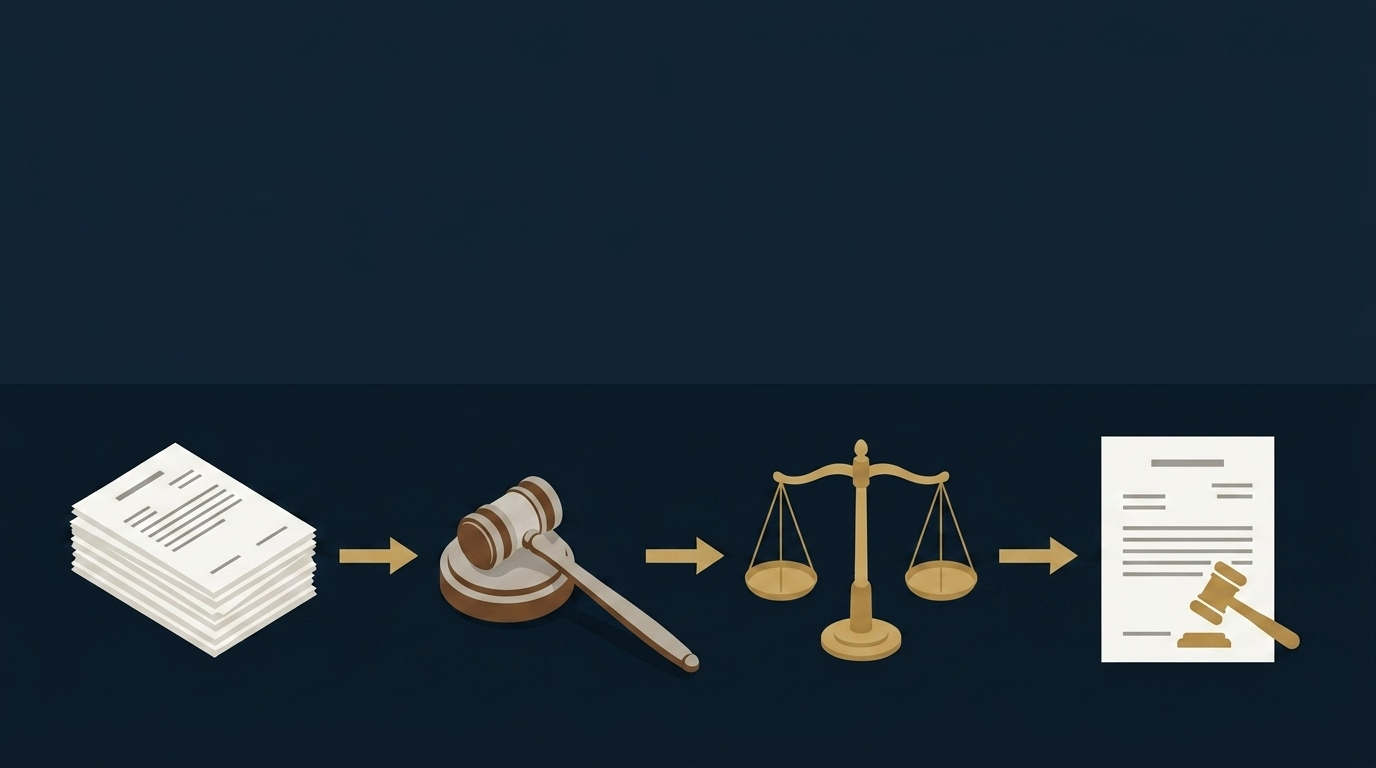
Locate every document you signed at hire or during employment. Identify the exact scope of the restriction — what roles, industries, geography, and time period are covered. Note the state law specified in the contract, as choice-of-law clauses can affect which rules apply.
Research whether your state enforces non-competes and what standards courts apply. If you are in California, the clause may be void outright. In states like Florida, courts tend to favor enforcement. An employment lawyer can give you a jurisdiction-specific assessment quickly.
If your former employer sends a cease-and-desist letter or files for an injunction, do not ignore it. Deadlines matter — courts can issue temporary restraining orders within days. Gather your evidence immediately and seek legal advice before responding in writing.
Many non-compete disputes resolve through negotiation rather than litigation. Employers sometimes agree to narrow the restriction or release it entirely in exchange for assurances about confidential information. Document any agreed modifications in writing.
Claims for breach of a written contract typically carry a statute of limitations (the legal deadline to file a lawsuit) of three to six years depending on the state. However, injunction proceedings can move much faster — sometimes within weeks of a dispute arising.
팩트에 기반한 판례·사례입니다. '원문 보기'를 클릭하면 국가법령정보센터 등 공식 출처로 이동합니다.
McDonnell Douglas Corp. v. Green — discrimination burden-shifting
Framework for proving employment discrimination
The Supreme Court set out the burden-shifting framework: the plaintiff establishes a prima facie case, the employer offers a legitimate reason, and the plaintiff may then show pretext.
※ Leading U.S. precedent — reference only
Burlington Industries, Inc. v. Ellerth — supervisor harassment liability
Employer liability for a hostile work environment created by a supervisor
The Supreme Court held employers may be liable for a supervisor-created hostile work environment, subject to an affirmative defense where no tangible employment action occurred.
※ Leading U.S. precedent — reference only
팩트에 기반한 판례·사례입니다. '원문 보기'를 클릭하면 국가법령정보센터 등 공식 출처로 이동합니다.
* 위 수치는 ROY AI의 유사 사건 분석 기반 추정치입니다. 개별 사건의 결과와 다를 수 있으며, 법률적 조언이나 결과 보장이 아닙니다.
지금 상황을 입력하면 AI가 쟁점을 정리하고, 유사 사례 기반 결과 분포와 전문 로펌 연결까지 한 번에 제공합니다.
이 문서는 일반적인 법률 정보 제공 목적으로 작성되었으며, 개별 사건에 대한 법률 자문, 법적 조언, 또는 결과 보장이 아닙니다. 구체적인 법적 사안에 대해서는 반드시 자격을 갖춘 법률 전문가와 상담하시기 바랍니다. ROY Legal Insights는 정보 제공 서비스이며, 법무법인이 아닙니다. 최초 발행일: 2026.04.07.