
이 글은 일반적인 법률 정보 제공을 목적으로 작성되었습니다. 개별 사건에 대한 법률 조언이 아니며, 구체적인 법적 사안은 자격을 갖춘 법률 전문가와 상담하시기 바랍니다.
Learn how to obtain a domestic violence restraining order in the U.S., including evidence needed, court steps, and key legal rights.
If you are experiencing abuse or threats from a household member, a domestic violence restraining order (also called a protective order or DVRO) can be a critical legal tool. This guide explains how protection orders work, what evidence courts look for, and how to navigate the process step by step across U.S. jurisdictions.
Who qualifies for protection? DVROs are available to people abused by a current or former spouse, domestic partner, cohabitant, co-parent, or close family member. Some states extend coverage to dating partners. The abuse does not have to be physical — courts recognize emotional abuse, stalking, harassment, and threats as qualifying conduct.
Temporary vs. permanent orders. Courts typically issue an Emergency Protective Order (EPO) or Temporary Restraining Order (TRO) immediately, without the abuser present. These last 7–25 days. A formal hearing then determines whether a longer-term order — often valid 1–5 years and renewable — should be granted. Violating any active order is a criminal offense in all states.
Statute of limitations considerations. Most states allow you to seek a DVRO regardless of when prior abuse occurred, but courts weigh recent incidents most heavily. Some civil claims related to domestic violence (such as personal injury suits) carry separate limitation periods, commonly 2–3 years under relevant state law.


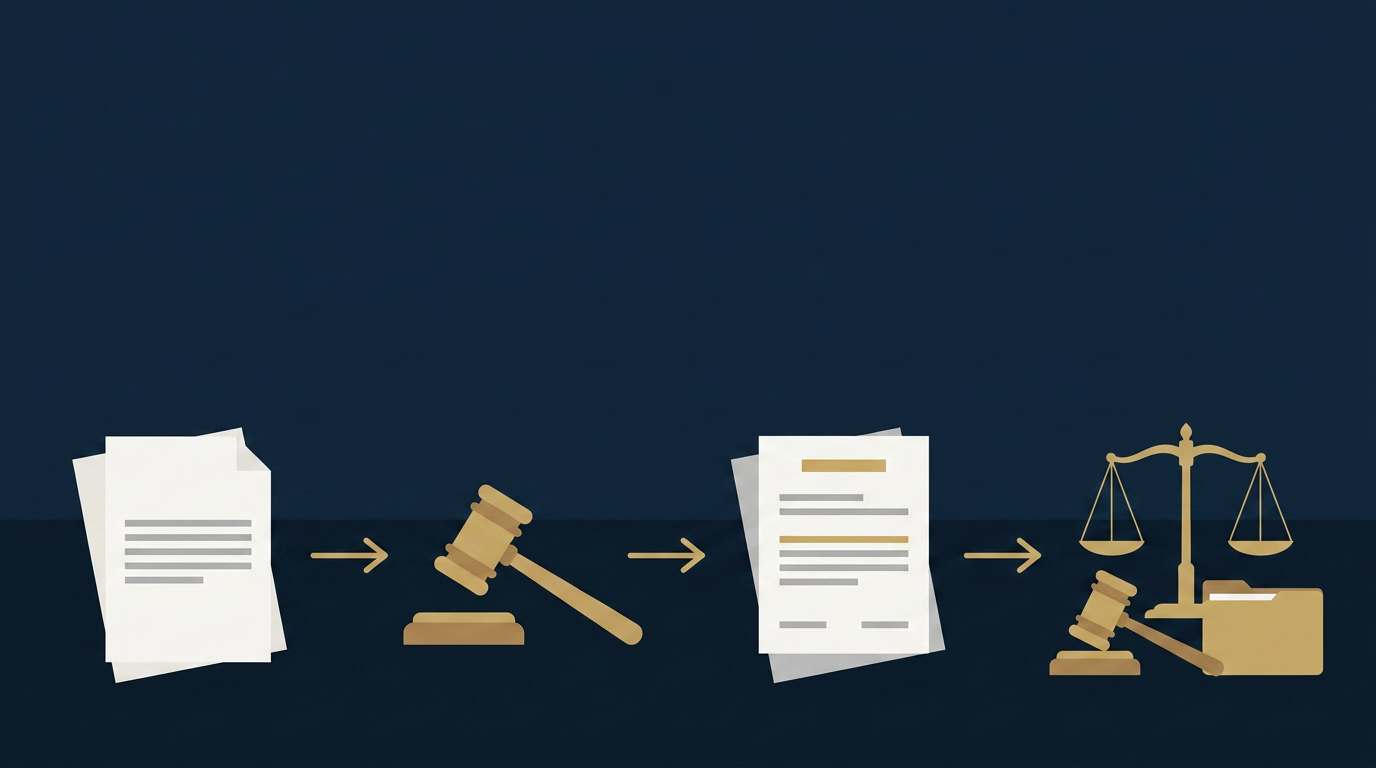
Visit your local courthouse's family law or civil division and request DVRO forms. Most courts offer free forms and self-help centers. Complete the petition honestly and specifically — include dates, locations, and descriptions of each incident. File the completed forms with the court clerk.
A judge reviews your petition, usually the same day, without the other party present. If the judge finds sufficient grounds, a TRO is issued immediately. You will receive a court date for the full hearing, typically within 21 days.
The restrained person (respondent) must be formally served with copies of the TRO and hearing notice. Law enforcement or a process server typically handles this. Service must be completed before the full hearing.
Both parties present their evidence and testimony. Bring all supporting documents. If the judge is satisfied that abuse occurred or is reasonably feared, a permanent protective order is issued. Legal representation, while not required, can significantly strengthen your case.
Yes. A police report strengthens your petition but is not required. Courts consider all credible evidence, including your sworn statement, witness accounts, and electronic communications. Many successful DVROs are granted without prior police involvement.
A DVRO typically prohibits the respondent from contacting, following, or harassing you. It may require them to move out of a shared home, stay a specified distance away from your home or workplace, and surrender firearms. Specific terms vary by state and judicial discretion.
Temporary orders last days to weeks. Long-term orders commonly last 1–5 years depending on the state. Most jurisdictions allow renewal if the threat or risk continues. Some states issue permanent orders in cases involving serious violence or repeat offenses.
Violating a DVRO is a criminal offense — typically a misdemeanor for a first violation, escalating to a felony for repeat violations or if violence is involved. Call 911 immediately if the order is violated and keep a copy of the order with you at all times.
Yes, it can. Courts may include child custody and visitation terms within a protective order. A history of domestic violence is a factor courts weigh heavily in custody determinations under family law statutes in every state.
Use ROY's free AI analysis to understand how the law applies to your specific situation.
This article provides general legal information only and does not constitute legal advice for your specific situation. Laws vary by state/territory. Consult a qualified lawyer for advice tailored to your circumstances.
팩트에 기반한 판례·사례입니다. '원문 보기'를 클릭하면 국가법령정보센터 등 공식 출처로 이동합니다.
Obergefell v. Hodges — marriage equality
Whether the Constitution requires states to license and recognize same-sex marriage
The Supreme Court held that the Fourteenth Amendment requires states to license same-sex marriages and recognize those lawfully performed elsewhere.
※ Leading U.S. precedent — reference only
Troxel v. Granville — parental rights over visitation
The scope of parents’ right to direct their children’s upbringing
The Supreme Court held that parents have a fundamental right to direct their children’s upbringing, and a broad third-party visitation statute violated that right.
※ Leading U.S. precedent — reference only
팩트에 기반한 판례·사례입니다. '원문 보기'를 클릭하면 국가법령정보센터 등 공식 출처로 이동합니다.
* 위 수치는 ROY AI의 유사 사건 분석 기반 추정치입니다. 개별 사건의 결과와 다를 수 있으며, 법률적 조언이나 결과 보장이 아닙니다.
지금 상황을 입력하면 AI가 쟁점을 정리하고, 유사 사례 기반 결과 분포와 전문 로펌 연결까지 한 번에 제공합니다.
이 문서는 일반적인 법률 정보 제공 목적으로 작성되었으며, 개별 사건에 대한 법률 자문, 법적 조언, 또는 결과 보장이 아닙니다. 구체적인 법적 사안에 대해서는 반드시 자격을 갖춘 법률 전문가와 상담하시기 바랍니다. ROY Legal Insights는 정보 제공 서비스이며, 법무법인이 아닙니다. 최초 발행일: 2026.04.07.