
이 글은 일반적인 법률 정보 제공을 목적으로 작성되었습니다. 개별 사건에 대한 법률 조언이 아니며, 구체적인 법적 사안은 자격을 갖춘 법률 전문가와 상담하시기 바랍니다.
Facing an assault battery criminal charge? Learn your legal rights, key defenses, evidence needs, and step-by-step process in this practical guide.
Facing an assault battery criminal charge is serious and can carry consequences including jail time, fines, and a permanent criminal record. These charges affect people from all walks of life — sometimes arising from misunderstandings, self-defense situations, or disputed accounts of events. This guide explains how assault and battery charges work in the U.S., what defenses may apply, and what steps you can take.
What is the difference between assault and battery? In most states, assault refers to intentionally causing another person to fear imminent harmful contact — no physical touch is required. Battery involves actual unwanted physical contact. Some states combine them under a single offense, while others treat them separately. Understanding which charge applies to your situation directly shapes the available defenses.
What defenses are commonly available? Self-defense is one of the most frequently raised defenses to an assault battery criminal charge. If you reasonably believed force was necessary to protect yourself from imminent harm, and used proportionate force, this can be a complete defense. Other recognized defenses include defense of others, consent (in limited contexts like contact sports), lack of intent, and mistaken identity. State law governs which defenses apply and how they are defined.
What are the potential penalties? Charges can range from misdemeanor to felony depending on severity, use of a weapon, the victim's identity (e.g., a police officer or minor), and your prior record. Misdemeanor convictions may carry up to one year in jail; felony convictions can result in multi-year prison sentences. Statutes of limitations typically range from one to three years for misdemeanors and up to six or more years for felonies, varying by state.


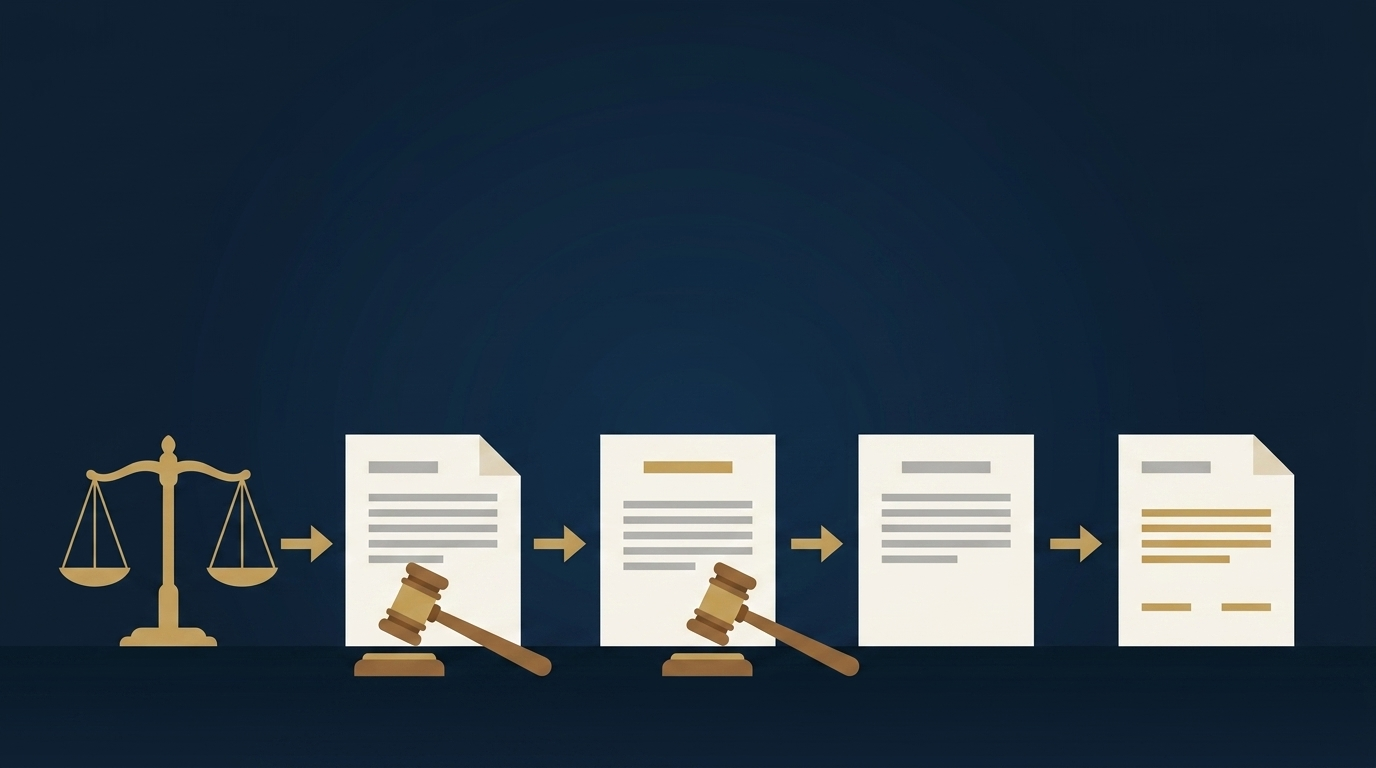
Obtain a copy of the formal charge or complaint filed against you. Do not speak to police or prosecutors without legal representation — you have a constitutional right to remain silent. Review any conditions of your release, such as no-contact orders, and comply strictly.
Contact a qualified criminal defense lawyer as soon as possible. Many offer free initial consultations. Your attorney will review the evidence, advise on viable defenses, and represent you at hearings. Public defenders are available if you cannot afford private counsel.
Work with your attorney to gather and preserve all relevant evidence listed above. Attend all scheduled court dates — missing appearances can result in a warrant for your arrest. Your lawyer may negotiate with prosecutors for reduced charges or explore diversion programs where eligible.
Technically yes, but it is strongly discouraged. Criminal proceedings involve complex procedural rules and evidentiary standards. A qualified defense attorney understands how to challenge witness credibility, suppress improperly obtained evidence, and negotiate outcomes that a self-represented person may not recognize as available.
Not necessarily. Outcomes depend on whether the charge is a misdemeanor or felony, your criminal history, and the specific circumstances. Some first-time offenders may be eligible for probation, diversion programs, or community service in lieu of incarceration. Your attorney is best placed to assess realistic outcomes in your jurisdiction.
In the U.S., the decision to prosecute rests with the state, not the alleged victim. Prosecutors can and do proceed with assault and battery cases even when the complaining party withdraws or refuses to cooperate. However, a victim's reluctance can affect the strength of the prosecution's case.
Timelines vary widely. Misdemeanor cases may resolve in a few months; felony matters can take a year or longer depending on court schedules, plea negotiations, and whether the case goes to trial. Prompt engagement with legal counsel generally helps avoid unnecessary delays.
Use ROY's free AI analysis to understand how the law applies to your specific situation.
This article provides general legal information only and does not constitute legal advice for your specific situation. Laws vary by state/territory. Consult a qualified lawyer for advice tailored to your circumstances.
팩트에 기반한 판례·사례입니다. '원문 보기'를 클릭하면 국가법령정보센터 등 공식 출처로 이동합니다.
Miranda v. Arizona — custodial interrogation warnings
Whether suspects must be warned of their rights before custodial interrogation
The Supreme Court held that police must warn suspects of their constitutional rights before custodial interrogation, or statements obtained cannot be used as evidence.
※ Leading U.S. precedent — reference only
Gideon v. Wainwright — right to appointed counsel
Whether states must provide counsel to defendants who cannot afford one
The Supreme Court held that states must provide attorneys to criminal defendants who are unable to afford their own.
※ Leading U.S. precedent — reference only
팩트에 기반한 판례·사례입니다. '원문 보기'를 클릭하면 국가법령정보센터 등 공식 출처로 이동합니다.
* 위 수치는 ROY AI의 유사 사건 분석 기반 추정치입니다. 개별 사건의 결과와 다를 수 있으며, 법률적 조언이나 결과 보장이 아닙니다.
지금 상황을 입력하면 AI가 쟁점을 정리하고, 유사 사례 기반 결과 분포와 전문 로펌 연결까지 한 번에 제공합니다.
이 문서는 일반적인 법률 정보 제공 목적으로 작성되었으며, 개별 사건에 대한 법률 자문, 법적 조언, 또는 결과 보장이 아닙니다. 구체적인 법적 사안에 대해서는 반드시 자격을 갖춘 법률 전문가와 상담하시기 바랍니다. ROY Legal Insights는 정보 제공 서비스이며, 법무법인이 아닙니다. 최초 발행일: 2026.04.07.