
이 글은 일반적인 법률 정보 제공을 목적으로 작성되었습니다. 개별 사건에 대한 법률 조언이 아니며, 구체적인 법적 사안은 자격을 갖춘 법률 전문가와 상담하시기 바랍니다.
Facing an employment contract non-compete dispute? Learn the step-by-step process to protect your rights under Australian law.
If you have left a job and your former employer is threatening legal action over a restraint of trade clause — commonly called a non-compete clause — this guide is for you. Non-compete disputes arise when an employer claims an ex-employee is breaching a contractual restriction on where they can work, which clients they can contact, or what business activities they can conduct after leaving. These disputes are governed primarily by contract law and, in some states, specific restraint of trade legislation such as the Restraints of Trade Act 1976 (NSW).
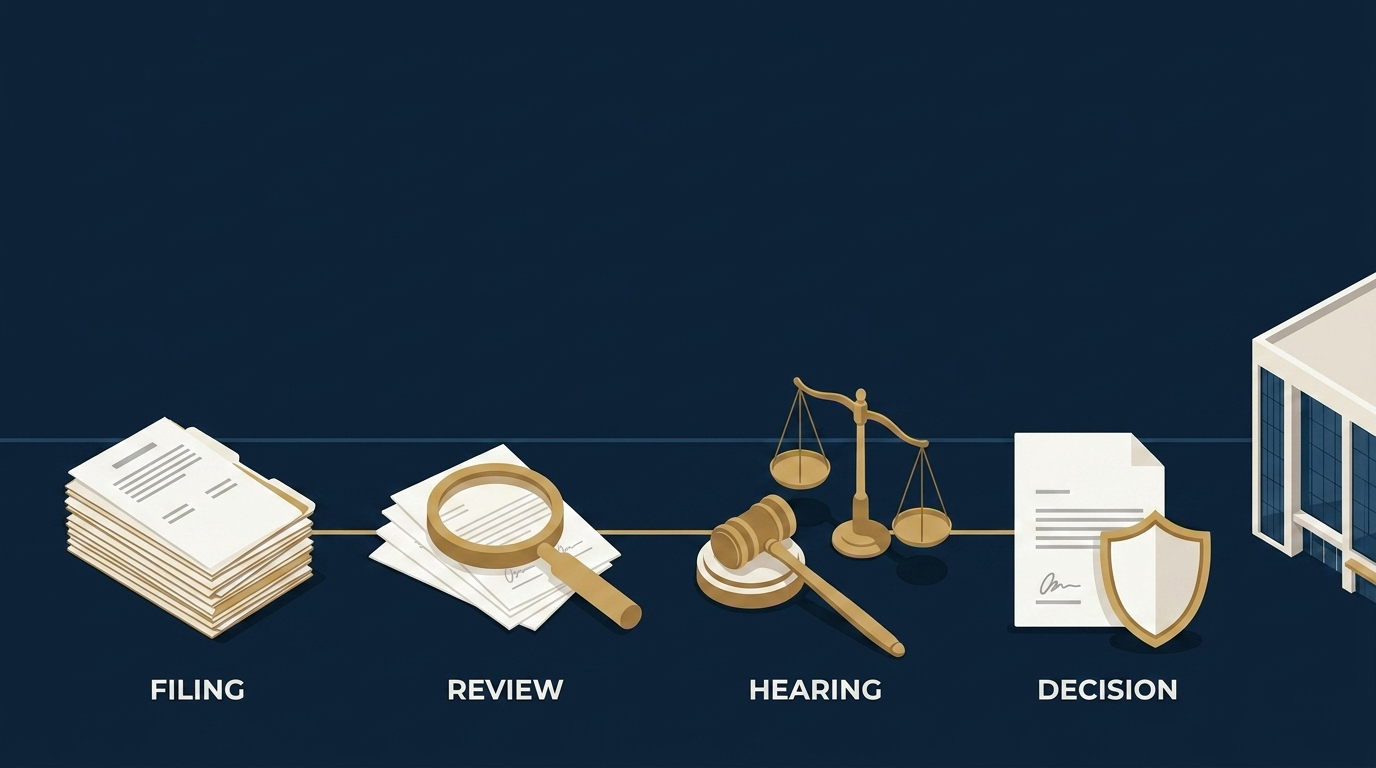
Start by locating your employment contract and identifying the exact wording of the restraint clause. Note the duration, geographic scope, and the activities it purports to restrict. Collect any written communications from your former employer — letters, emails, or legal notices — that assert a breach.
Document your new role or business activities in detail so you can compare them against the clause. Courts assess whether a restraint is reasonable — meaning it must protect a legitimate business interest and go no further than necessary. Evidence showing the clause is overly broad can be critical.
If your former employer sends a cease-and-desist letter or threatens proceedings, respond in writing through a lawyer if possible. Your response should acknowledge receipt, preserve your position, and avoid making admissions. Do not ignore formal legal correspondence.
If you believe the restraint is unenforceable, your solicitor may write to the employer explaining why the clause is unreasonable and therefore void. This correspondence creates a record and may prompt early resolution without court involvement.
If negotiations fail, either party may commence proceedings in the Supreme Court of the relevant state or territory, as restraint of trade matters are typically beyond the jurisdiction of tribunals like the Fair Work Commission. The employer may seek an urgent injunction — a court order stopping you from working — particularly if they act quickly after the alleged breach.
Be aware of limitation periods. Contract claims in most Australian states must be commenced within six years of the breach. However, injunction applications are often filed urgently, so acting without delay is essential.
Courts have the power to enforce a restraint, modify it to a reasonable scope (known as severance or reading down), or declare it void entirely. NSW courts, under the Restraints of Trade Act 1976, have express power to read down an unreasonable clause rather than simply striking it out.
Resolution can also occur through negotiated settlement, which may involve agreeing on modified restrictions, compensation, or a mutual release. Many disputes resolve at this stage, avoiding the cost of a full hearing.
They can be, but only if they are reasonable in scope, duration, and geographic area, and protect a legitimate business interest. Courts will not enforce a clause that goes further than necessary.
Your former employer may seek an injunction to stop your activities and potentially claim damages. Courts assess each case on its facts, and an overly broad clause may not be enforced.
Yes. NSW has specific legislation — the Restraints of Trade Act 1976 — allowing courts to modify unreasonable restraints. Other states rely on common law principles, which generally require a clause to be struck out entirely if unreasonable.
Urgent injunction hearings can occur within days or weeks. Full proceedings may take months to over a year. Many disputes settle through negotiation before reaching a final hearing.
Use ROY's free AI analysis to understand how the law applies to your specific situation.
This article provides general legal information only and does not constitute legal advice for your specific situation. Laws vary by state/territory. Consult a qualified lawyer for advice tailored to your circumstances.


팩트에 기반한 판례·사례입니다. '원문 보기'를 클릭하면 국가법령정보센터 등 공식 출처로 이동합니다.
Commonwealth Bank of Australia v Barker — implied term of trust and confidence
Whether employment contracts contain an implied term of mutual trust and confidence
The High Court unanimously held that Australian employment contracts do not contain an implied term of mutual trust and confidence.
※ Leading Australian precedent — reference only
팩트에 기반한 판례·사례입니다. '원문 보기'를 클릭하면 국가법령정보센터 등 공식 출처로 이동합니다.
* 위 수치는 ROY AI의 유사 사건 분석 기반 추정치입니다. 개별 사건의 결과와 다를 수 있으며, 법률적 조언이나 결과 보장이 아닙니다.
지금 상황을 입력하면 AI가 쟁점을 정리하고, 유사 사례 기반 결과 분포와 전문 로펌 연결까지 한 번에 제공합니다.
이 문서는 일반적인 법률 정보 제공 목적으로 작성되었으며, 개별 사건에 대한 법률 자문, 법적 조언, 또는 결과 보장이 아닙니다. 구체적인 법적 사안에 대해서는 반드시 자격을 갖춘 법률 전문가와 상담하시기 바랍니다. ROY Legal Insights는 정보 제공 서비스이며, 법무법인이 아닙니다. 최초 발행일: 2026.04.07.