
이 글은 일반적인 법률 정보 제공을 목적으로 작성되었습니다. 개별 사건에 대한 법률 조언이 아니며, 구체적인 법적 사안은 자격을 갖춘 법률 전문가와 상담하시기 바랍니다.
Injured at work in Australia? Learn how workers compensation works, what evidence you need, and how to claim.
If you have been injured at work, you may be entitled to workers compensation — a system designed to cover medical expenses, lost wages, and rehabilitation costs. Workers compensation workplace injury claims affect thousands of Australians each year across industries ranging from construction to healthcare. This guide explains the key legal issues, what you need to prepare, and how to navigate the claims process.
Who is covered? Workers compensation generally applies to employees, and in some states, certain contractors. Coverage is governed by state and territory legislation — for example, the Workers Compensation Act 1987 (NSW) or the Workplace Injury Rehabilitation and Compensation Act 2013 (VIC). If you are unsure of your employment classification, this can significantly affect your eligibility.
What injuries qualify? Physical injuries, psychological injuries, and illnesses caused or aggravated by work can all qualify. The injury must have a clear connection to your employment. Pre-existing conditions can still be compensable if work significantly contributed to their aggravation.
Limitation periods matter. In most states, you must lodge a claim within a specific timeframe — commonly within 6 months of the injury or first symptoms. Delays can jeopardise your claim, though exceptions may apply in some circumstances.
Dismissing an employee for making a workers compensation claim is unlawful under most state and federal laws. If you believe you have been dismissed or threatened for claiming, you may have additional legal remedies available to you.
Entitlements typically include weekly wage payments during incapacity, medical and hospital expenses, rehabilitation costs, and in serious cases, lump sum payments for permanent impairment. Entitlements vary significantly by state.
Many straightforward claims are handled without a lawyer. However, if your claim is disputed, involves serious injury, or includes a lump sum impairment payment, legal representation can be highly beneficial.
Simple claims may be resolved within weeks. Complex or disputed claims, particularly those involving permanent impairment, can take months or longer depending on the state system and the insurer's response.
Use ROY's free AI analysis to understand how the law applies to your specific situation.
This article provides general legal information only and does not constitute legal advice for your specific situation. Laws vary by state/territory. Consult a qualified lawyer for advice tailored to your circumstances.
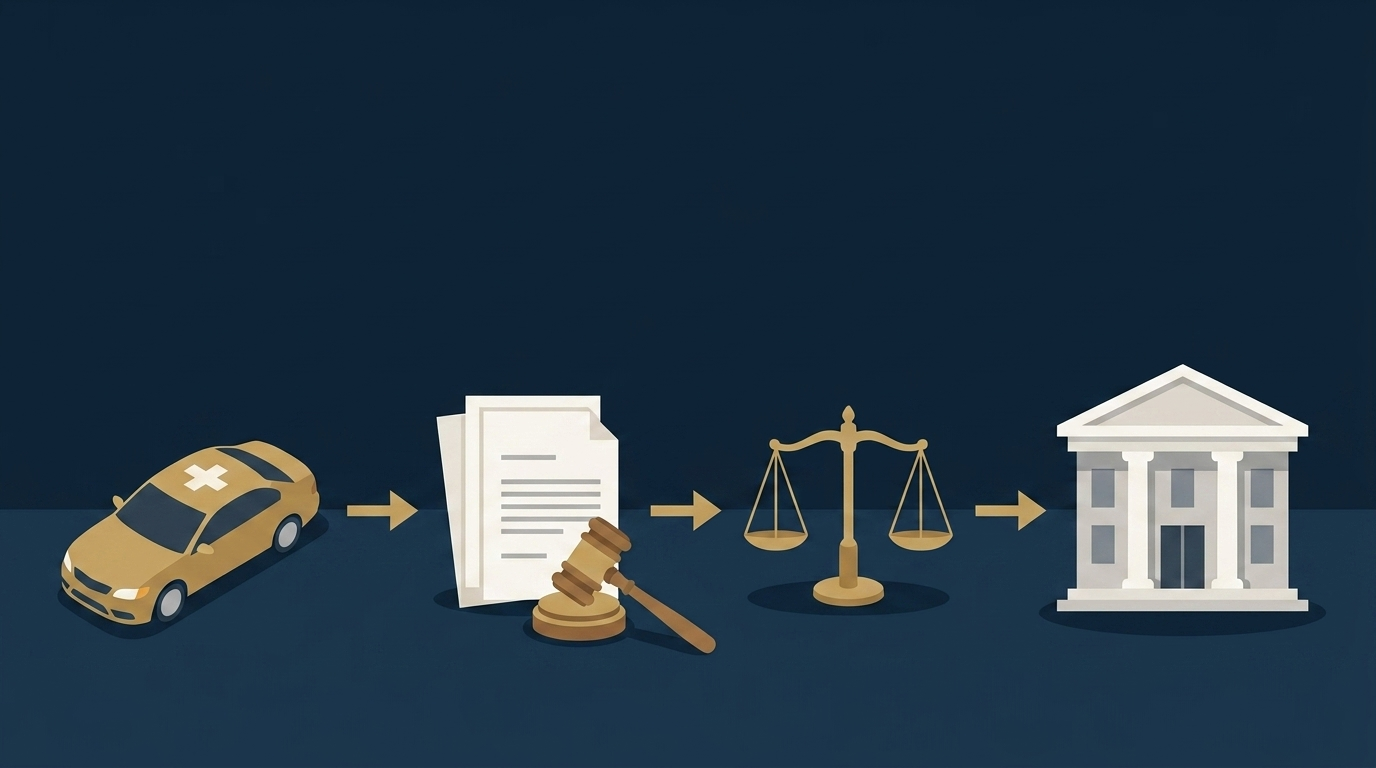
Notify your employer of the injury as soon as possible and ensure a formal incident report is completed. Keep a copy for your own records. Delayed reporting can complicate your claim.
Visit a doctor promptly and obtain a WorkCover medical certificate (or equivalent in your state). This document is essential to initiating your claim and should specify that the injury is work-related.
Obtain the correct claim form from your employer, the relevant state authority (e.g., SIRA in NSW, WorkSafe in VIC), or their website. Submit the completed form with your medical certificate to your employer's insurer within the required timeframe.
The insurer will assess your claim and may request additional medical examinations or information. Respond promptly and keep records of all correspondence.
If your claim is rejected or disputed, you generally have the right to seek a review or lodge an appeal through the relevant state tribunal or commission. Legal advice is strongly recommended at this stage.
팩트에 기반한 판례·사례입니다. '원문 보기'를 클릭하면 국가법령정보센터 등 공식 출처로 이동합니다.
Rogers v Whitaker — duty to warn of material risks
The scope of a doctor’s duty to warn of risks
The High Court held that a doctor has a duty to warn a patient of material risks, rejecting the strict Bolam approach and emphasising the patient’s right to be informed.
※ Leading Australian precedent — reference only
팩트에 기반한 판례·사례입니다. '원문 보기'를 클릭하면 국가법령정보센터 등 공식 출처로 이동합니다.
* 위 수치는 ROY AI의 유사 사건 분석 기반 추정치입니다. 개별 사건의 결과와 다를 수 있으며, 법률적 조언이나 결과 보장이 아닙니다.
지금 상황을 입력하면 AI가 쟁점을 정리하고, 유사 사례 기반 결과 분포와 전문 로펌 연결까지 한 번에 제공합니다.
이 문서는 일반적인 법률 정보 제공 목적으로 작성되었으며, 개별 사건에 대한 법률 자문, 법적 조언, 또는 결과 보장이 아닙니다. 구체적인 법적 사안에 대해서는 반드시 자격을 갖춘 법률 전문가와 상담하시기 바랍니다. ROY Legal Insights는 정보 제공 서비스이며, 법무법인이 아닙니다. 최초 발행일: 2026.04.07.