이 글은 일반적인 법률 정보 제공을 목적으로 작성되었습니다. 개별 사건에 대한 법률 조언이 아니며, 구체적인 법적 사안은 자격을 갖춘 법률 전문가와 상담하시기 바랍니다.
Learn how Australian IP infringement law works, what evidence you need, and the steps to protect your trademark or copyright.
Intellectual property (IP) infringement occurs when someone uses your protected creative work, brand, or invention without authorisation. In Australia, IP rights are governed primarily by the Trade Marks Act 1995 (Cth) and the Copyright Act 1968 (Cth). This guide covers key legal issues, the evidence you need, and the practical steps to take whether you are a business owner, creator, or someone accused of infringement.
What counts as trademark infringement? Trademark infringement occurs when a person uses a sign substantially identical or deceptively similar to a registered trademark in relation to similar goods or services, without the owner's consent. Registration with IP Australia gives you exclusive rights nationwide. Unregistered marks may still attract protection under Australian Consumer Law if the use constitutes misleading or deceptive conduct.
What counts as copyright infringement? Copyright in Australia arises automatically upon creation of original works — there is no registration requirement. Infringement occurs when someone reproduces, communicates, or adapts a substantial part of your work without a licence. "Substantial" refers to quality, not just quantity, so copying a distinctive element can still infringe even if it is brief.
What are the limitation periods? For copyright infringement, civil claims generally must be brought within six years of the infringing act under the Limitation Act applicable in each state or territory. Trademark claims are also subject to limitation periods that vary by jurisdiction. Acting promptly is essential to preserve your rights.
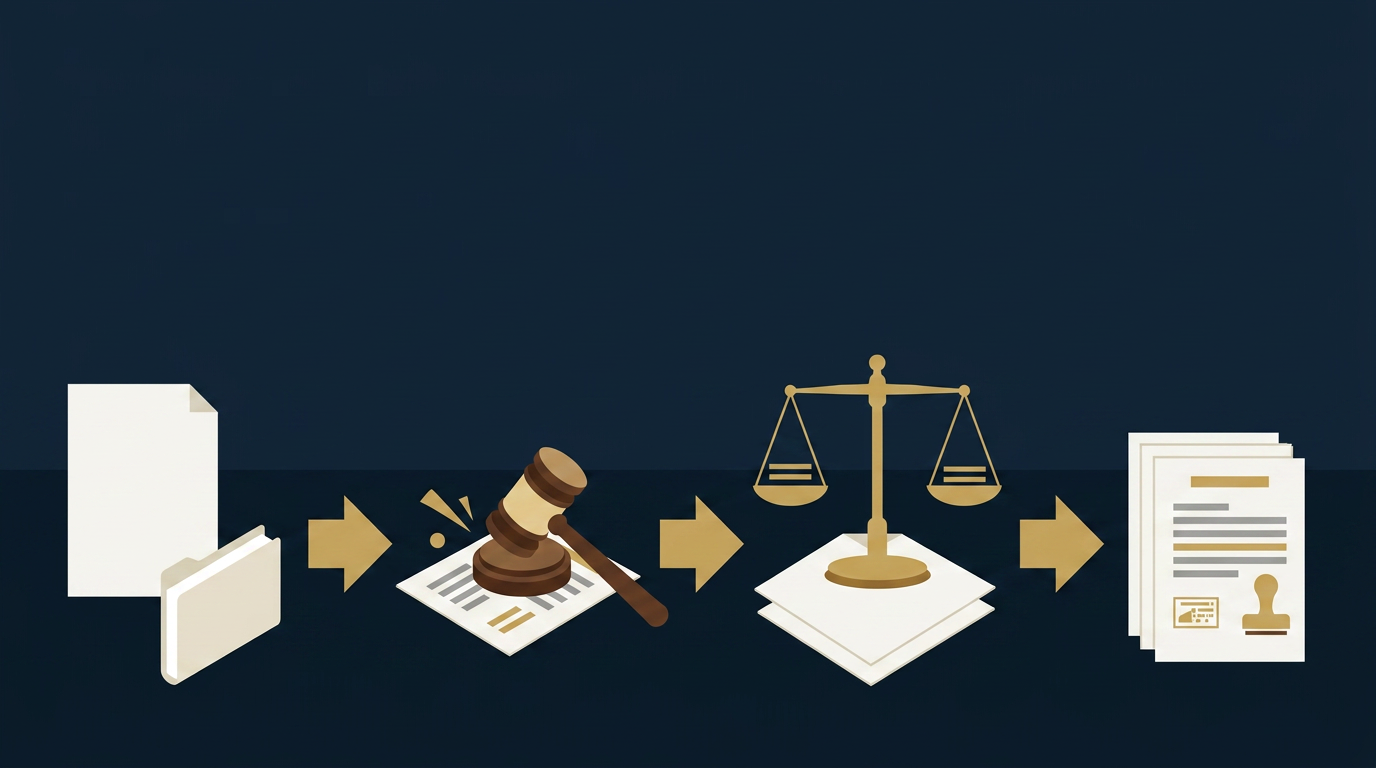
Verify that your trademark is registered and in force via the IP Australia Trade Mark Search, or confirm that your copyright work is original and fixed in material form. Identify the specific rights that have been infringed and gather your ownership evidence.
Capture all evidence of the infringing activity before it disappears. Take dated screenshots, purchase infringing products as samples, and record any instances of consumer confusion. Organised, timestamped evidence strengthens your position significantly.
A formal cease and desist letter notifies the infringer of your rights and demands they stop the conduct. This step can resolve many disputes without litigation and demonstrates good faith. A lawyer can draft this letter to ensure it is legally accurate and strategically sound.
Mediation or negotiation can resolve IP disputes faster and at lower cost than court proceedings. IP Australia offers dispute resolution services for trademark matters. Many parties reach licensing arrangements or settlements at this stage.
If the infringement continues, you may file proceedings in the Federal Court or Federal Circuit and Family Court of Australia. Available remedies include injunctions (court orders to stop the conduct), damages or an account of profits, and delivery up of infringing goods.
Costs vary widely depending on complexity. Cease and desist letters may cost a few hundred to a few thousand dollars in legal fees. Litigation in the Federal Court can range from tens of thousands to hundreds of thousands of dollars. Many IP lawyers offer an initial consultation, and some matters may be suitable for fixed-fee arrangements.
Registration significantly strengthens your position. Without registration, you may still pursue a claim under the Australian Consumer Law for misleading or deceptive conduct (known as passing off at common law), but these claims are harder to establish and require proof of an established reputation in your mark.
Original written content, images, and design elements on your website are automatically protected by copyright as soon as they are created. However, a logo that functions as a brand identifier is better protected by trademark registration, which provides clearer exclusive rights and easier enforcement options.
An injunction is a court order requiring the infringer to immediately stop the infringing conduct. It is often the most urgent remedy sought because it halts ongoing harm to your brand or business while the broader dispute is resolved. Courts may grant urgent interim injunctions before a full hearing in serious cases.
Use ROY's free AI analysis to understand how the law applies to your specific situation.
This article provides general legal information only and does not constitute legal advice for your specific situation. Laws vary by state/territory. Consult a qualified lawyer for advice tailored to your circumstances.
팩트에 기반한 판례·사례입니다. '원문 보기'를 클릭하면 국가법령정보센터 등 공식 출처로 이동합니다.
Codelfa Construction Pty Ltd v State Rail Authority (NSW) — frustration & contract interpretation
When a contract is frustrated and how terms are construed
The High Court held the contract was frustrated where an injunction made performance radically different, and set out principles for construing contracts.
※ Leading Australian precedent — reference only
팩트에 기반한 판례·사례입니다. '원문 보기'를 클릭하면 국가법령정보센터 등 공식 출처로 이동합니다.
* 위 수치는 ROY AI의 유사 사건 분석 기반 추정치입니다. 개별 사건의 결과와 다를 수 있으며, 법률적 조언이나 결과 보장이 아닙니다.
지금 상황을 입력하면 AI가 쟁점을 정리하고, 유사 사례 기반 결과 분포와 전문 로펌 연결까지 한 번에 제공합니다.
이 문서는 일반적인 법률 정보 제공 목적으로 작성되었으며, 개별 사건에 대한 법률 자문, 법적 조언, 또는 결과 보장이 아닙니다. 구체적인 법적 사안에 대해서는 반드시 자격을 갖춘 법률 전문가와 상담하시기 바랍니다. ROY Legal Insights는 정보 제공 서비스이며, 법무법인이 아닙니다. 최초 발행일: 2026.04.07.