
이 글은 일반적인 법률 정보 제공을 목적으로 작성되었습니다. 개별 사건에 대한 법률 조언이 아니며, 구체적인 법적 사안은 자격을 갖춘 법률 전문가와 상담하시기 바랍니다.
Facing a drug possession charge in Australia? Understand the defence process, key steps, and your legal options.
If you have been charged with drug possession or trafficking in Australia, this guide applies to you. These are serious criminal offences under both Commonwealth and state/territory legislation, including the Criminal Code Act 1995 (Cth) and relevant state drug laws such as the Drugs Misuse Act 1986 (Qld) or Drug Misuse and Trafficking Act 1985 (NSW). Penalties range from fines to significant imprisonment terms, making a drug possession charge defence critically important.
Immediately after being charged, document everything you can recall — the circumstances of your arrest, what was said, and how police conducted their search. Request a copy of the police facts sheet and any search warrant used. This material helps identify whether your rights under the Australian Constitution or relevant state legislation were respected.
Note key details: time, location, who was present, and whether you were given the opportunity to contact a lawyer. Evidence of unlawful search and seizure, improper conduct, or procedural errors can form the foundation of a defence.
Contact a criminal defence lawyer as early as possible — ideally before making any formal statement to police. You have the right to silence in Australia, and exercising it before obtaining legal advice is strongly recommended. Legal aid may be available if you cannot afford a private lawyer; contact your state's Legal Aid Commission.
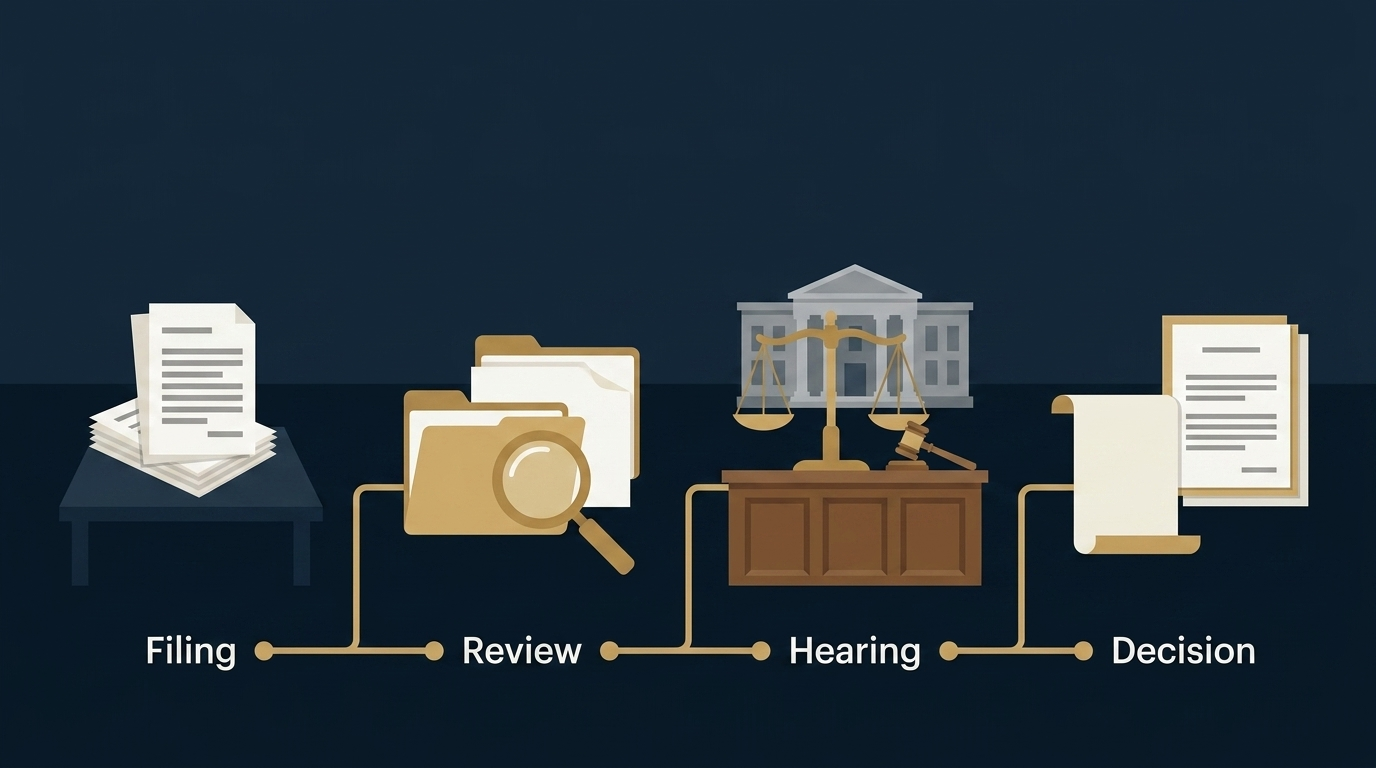
Your lawyer will review the charge sheet, the evidence held by police, and assess whether the prosecution can prove all elements beyond reasonable doubt — including knowledge and possession of the substance.
Charges are typically heard in the Magistrates Court (for less serious matters) or the District/Supreme Court (for trafficking or serious indictable offences). At your first court appearance (mention hearing), you will be asked to enter a plea. Do not enter a plea without legal advice.
If pleading not guilty, a defended hearing or trial date will be set. Your lawyer may also apply for disclosure of the full brief of evidence from the prosecution, which is your right under Australian criminal procedure.
Possible outcomes include acquittal, conviction, a diversion program (available in some states for minor possession), or negotiated lesser charges. Diversion programs may allow first-time offenders to avoid a criminal record by completing treatment or education requirements.
If convicted, sentencing considers factors such as quantity, prior history, and personal circumstances. Appeals can be lodged within strict timeframes — typically 28 days from the date of sentence.
The prosecution must prove beyond reasonable doubt that you had knowledge of the substance and control over it. Lack of knowledge can be a valid defence.
In many states, first-time offenders charged with minor possession may be eligible for a diversion, caution, or drug court program. Eligibility varies by jurisdiction.
Appeals generally must be filed within 28 days of conviction or sentence, though this varies by state. Acting quickly is essential.
Yes. A drug conviction can affect Australian visa status and your ability to travel internationally, including to countries like the United States. Legal advice is important early.
Use ROY's free AI analysis to understand how the law applies to your specific situation.
This article provides general legal information only and does not constitute legal advice for your specific situation. Laws vary by state/territory. Consult a qualified lawyer for advice tailored to your circumstances.
팩트에 기반한 판례·사례입니다. '원문 보기'를 클릭하면 국가법령정보센터 등 공식 출처로 이동합니다.
He Kaw Teh v The Queen — mens rea presumption
Whether serious offences require proof of a guilty mind
The High Court held that the prosecution must establish intent (mens rea) for serious offences unless that presumption is displaced by the legislation.
※ Leading Australian precedent — reference only
팩트에 기반한 판례·사례입니다. '원문 보기'를 클릭하면 국가법령정보센터 등 공식 출처로 이동합니다.
* 위 수치는 ROY AI의 유사 사건 분석 기반 추정치입니다. 개별 사건의 결과와 다를 수 있으며, 법률적 조언이나 결과 보장이 아닙니다.
지금 상황을 입력하면 AI가 쟁점을 정리하고, 유사 사례 기반 결과 분포와 전문 로펌 연결까지 한 번에 제공합니다.
이 문서는 일반적인 법률 정보 제공 목적으로 작성되었으며, 개별 사건에 대한 법률 자문, 법적 조언, 또는 결과 보장이 아닙니다. 구체적인 법적 사안에 대해서는 반드시 자격을 갖춘 법률 전문가와 상담하시기 바랍니다. ROY Legal Insights는 정보 제공 서비스이며, 법무법인이 아닙니다. 최초 발행일: 2026.04.07.