
이 글은 일반적인 법률 정보 제공을 목적으로 작성되었습니다. 개별 사건에 대한 법률 조언이 아니며, 구체적인 법적 사안은 자격을 갖춘 법률 전문가와 상담하시기 바랍니다.
Learn how divorce settlement property division works in Australia, including timelines, key steps, and common mistakes to avoid.
If you are separating or divorcing in Australia, understanding how property settlement works is essential. Divorce settlement property division applies to married couples and, in many cases, de facto partners. You do not need a formal divorce order before reaching a property settlement, but strict time limits apply once separation occurs.
Before any negotiations begin, compile a clear picture of all assets and liabilities. This includes real estate, superannuation, bank accounts, investments, vehicles, business interests, and debts. Both parties have a legal duty to make full and frank financial disclosure under the Family Law Act 1975 (Cth).
Collect recent statements, valuations, tax returns, and property titles. If assets are held jointly or in trusts, document those too. Courts take non-disclosure seriously — concealing assets can result in adverse findings against you.
Before filing with a court, most parties are required to make a genuine attempt at dispute resolution. This typically means attending family dispute resolution (FDR) or mediation. A registered FDR practitioner can issue a Section 60I certificate if agreement cannot be reached.
For property matters, write to the other party (or their lawyer) proposing a settlement. Set out your position clearly and invite a response within a reasonable timeframe. Keeping records of all correspondence is critical.
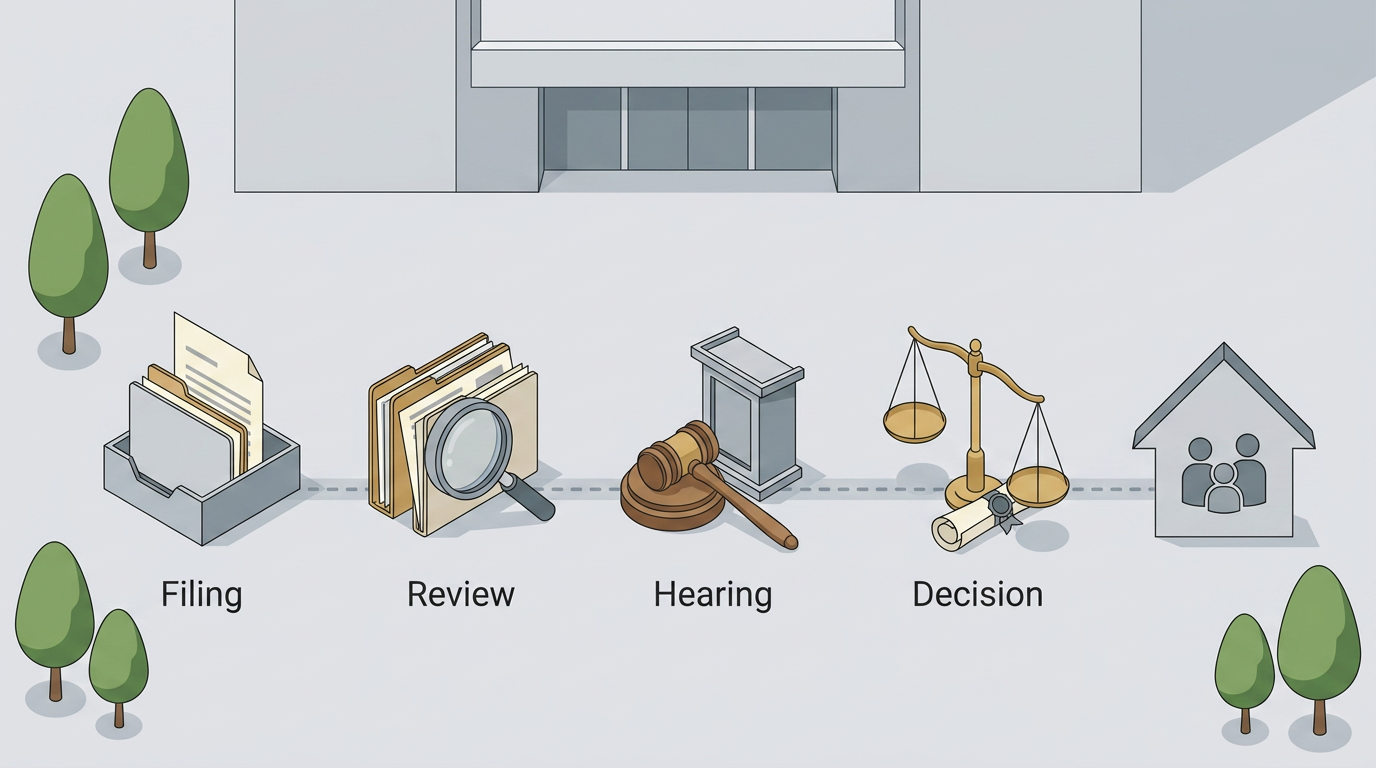
If negotiations fail, you may apply to the Federal Circuit and Family Court of Australia (FCFCOA). File an Initiating Application along with a Financial Statement detailing your financial position. Filing fees apply and vary depending on the complexity of the matter.
For married couples, applications for property settlement must generally be made within 12 months of a divorce order becoming final. De facto partners generally have two years from the date of separation to apply. Missing these deadlines can prevent you from making a claim without court leave (permission).
The court uses a four-step process: identifying all assets and liabilities, assessing each party's financial and non-financial contributions, considering future needs, and determining a just and equitable outcome. Settlements can be formalised as Consent Orders (agreed by both parties) or decided by a judge after a hearing.
Once orders are made, they are legally binding and enforceable. Superannuation can be split under a Superannuation Splitting Order. Non-compliance with orders can result in enforcement proceedings and penalties.
No. Property settlement is separate from divorce and can be finalised before, during, or after divorce proceedings.
Settlements reached by agreement can be finalised in weeks. Contested matters heard by a court may take one to three years depending on complexity.
Yes. Superannuation is treated as property under the Family Law Act 1975 (Cth) and can be split between parties via a formal Superannuation Splitting Order.
Generally yes, under the Family Law Act 1975 (Cth) for most states and territories, though eligibility criteria apply. Check applicable state law if you are in Western Australia.
Use ROY's free AI analysis to understand how the law applies to your specific situation.
This article provides general legal information only and does not constitute legal advice for your specific situation. Laws vary by state/territory. Consult a qualified lawyer for advice tailored to your circumstances.


팩트에 기반한 판례·사례입니다. '원문 보기'를 클릭하면 국가법령정보센터 등 공식 출처로 이동합니다.
Stanford v Stanford — "just and equitable" property settlement
When a property settlement order is just and equitable
The High Court held that a court must be satisfied it is "just and equitable" to make a property settlement order, and involuntary physical separation alone does not establish this.
※ Leading Australian precedent — reference only
팩트에 기반한 판례·사례입니다. '원문 보기'를 클릭하면 국가법령정보센터 등 공식 출처로 이동합니다.
* 위 수치는 ROY AI의 유사 사건 분석 기반 추정치입니다. 개별 사건의 결과와 다를 수 있으며, 법률적 조언이나 결과 보장이 아닙니다.
지금 상황을 입력하면 AI가 쟁점을 정리하고, 유사 사례 기반 결과 분포와 전문 로펌 연결까지 한 번에 제공합니다.
이 문서는 일반적인 법률 정보 제공 목적으로 작성되었으며, 개별 사건에 대한 법률 자문, 법적 조언, 또는 결과 보장이 아닙니다. 구체적인 법적 사안에 대해서는 반드시 자격을 갖춘 법률 전문가와 상담하시기 바랍니다. ROY Legal Insights는 정보 제공 서비스이며, 법무법인이 아닙니다. 최초 발행일: 2026.04.07.