View Contents+

Learn how family visa sponsorship and reunion works in the US, including key steps, timelines, costs, and common mistakes to avoid.
Family visa sponsorship and reunion applies to US citizens and lawful permanent residents (LPRs) who want to bring eligible family members to live permanently in the United States. The process involves filing immigration petitions, meeting financial requirements, and navigating consular or adjustment procedures. Timelines vary significantly depending on the sponsor's immigration status and the family relationship involved.
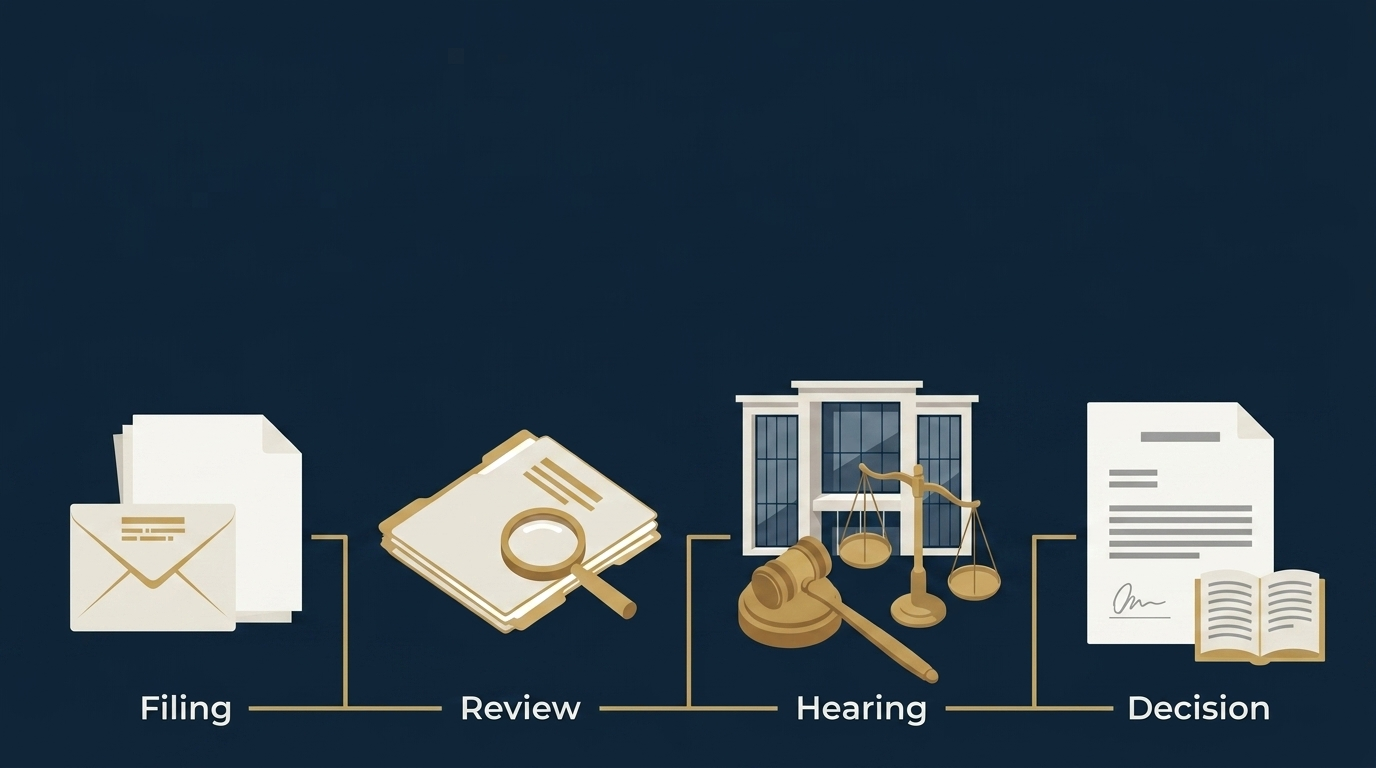
Step 1: Gather Evidence and Facts
Before filing anything, confirm your eligibility as a sponsor. US citizens can petition for spouses, children, parents, and siblings. LPRs can petition for spouses and unmarried children only. Gather documents proving your status, such as a US passport, naturalization certificate, or green card.
Collect evidence of the qualifying family relationship. This includes birth certificates, marriage certificates, adoption records, or other official documents. All foreign-language documents must be accompanied by certified English translations. Also assess your financial situation — sponsors must meet income thresholds under the Affidavit of Support (Form I-864) requirements.
Step 2: Send Formal Notice
In family immigration, the equivalent of formal notice is filing Form I-130 (Petition for Alien Relative) with US Citizenship and Immigration Services (USCIS). This petition establishes the qualifying relationship between you and your family member abroad. Submit the form with the required filing fee and supporting documents.
Upon receipt, USCIS issues a Notice of Action (Form I-797) confirming your petition is being processed. Keep this document carefully — it contains your receipt number for tracking. If your family member is already in the US lawfully, concurrent filing for adjustment of status may be possible.
Step 3: File Complaint or Commence Proceedings
Once the I-130 is approved, the next stage depends on visa availability. Immediate relatives of US citizens (spouses, unmarried children under 21, and parents) have no annual visa caps, so processing moves directly to the National Visa Center (NVC) or adjustment of status. Preference categories — such as adult children or siblings — must wait for a visa number to become available under the annual quota system.
The NVC collects financial and civil documents before scheduling a consular interview at a US Embassy or Consulate abroad. Your family member attends this interview and, if approved, receives an immigrant visa to enter the United States. Filing fees at this stage include the immigrant visa application fee (currently around $325) and the Affidavit of Support fee.
Step 4: Resolution and Enforcement
If the visa is approved at the consular interview, your family member enters the US and becomes a lawful permanent resident. Their green card is mailed to the US address provided. If the application is denied, the consular officer will explain the reason, and in some cases a waiver may be available.
Statutes of limitations are not typical in immigration petitions, but delays can arise from document issues, background checks, or visa backlogs. Some preference category waits currently exceed 20 years for certain countries. Staying on top of the Visa Bulletin published monthly by the Department of State helps track progress.
Common Mistakes to Avoid
- Filing incomplete or unsigned forms, which cause automatic rejection
- Failing to include certified translations for all foreign documents
- Underestimating income requirements for the Affidavit of Support
- Missing NVC document submission deadlines, which can delay processing by months
- Not disclosing prior immigration violations or criminal history, which can trigger inadmissibility
- Forgetting to update USCIS with address changes during a long waiting period
- Assuming approval is automatic — each step requires separate review
How long does the family visa sponsorship process take?
Immediate relative petitions for US citizens can take 12–24 months end-to-end. Preference categories may take years or even decades depending on the country of birth and relationship category.
What is the minimum income required to sponsor a family member?
Sponsors generally must demonstrate income at or above 125% of the Federal Poverty Guidelines for their household size, as set out under the Affidavit of Support requirements.
Can I sponsor a family member if I am a green card holder?
Yes, LPRs can sponsor spouses and unmarried children, but these fall under preference categories with annual caps, meaning longer wait times than immediate relative petitions.
What happens if my family member's visa is denied?
The consular officer will provide a reason. Depending on the ground of denial, a waiver (such as Form I-601) may be available. Consulting an immigration attorney at this stage is strongly advisable.
Use ROY's free AI analysis to understand how the law applies to your specific situation.
This article provides general legal information only and does not constitute legal advice for your specific situation. Laws vary by state/territory. Consult a qualified lawyer for advice tailored to your circumstances.


Related Cases & Similar Precedents
These are fact-based cases and precedents. Click 'View Source' to access official sources.
Zadvydas v. Davis — limits on immigration detention
Whether removable non-citizens may be detained indefinitely
The Supreme Court held that detention of admitted immigrants who cannot be removed is generally limited to a reasonable period (presumptively six months) absent a foreseeable prospect of removal.
※ Leading U.S. precedent — reference only
These are fact-based cases and precedents. Click 'View Source' to access official sources.
Outcome Distribution for General Cases
* These figures are estimates based on ROY AI similar-case analysis. Results may differ for individual cases and do not constitute legal advice or a guarantee of outcome.
Let ROY organise your case
before you go it alone
Enter your situation and AI will map out the key issues, outcome distribution from similar cases, and connect you to specialist firms — all in one step.
Related Legal Guides
This document is provided for general informational purposes only and does not constitute legal advice, legal counsel, or a guarantee of outcome for any specific case. For specific legal matters, please consult a qualified legal professional. ROY Legal Insights is an information service and not a law firm. First published: 2026.04.07.