
이 글은 일반적인 법률 정보 제공을 목적으로 작성되었습니다. 개별 사건에 대한 법률 조언이 아니며, 구체적인 법적 사안은 자격을 갖춘 법률 전문가와 상담하시기 바랍니다.
Understand property purchase conveyancing in Australia — key legal issues, required documents, and step-by-step process explained clearly.
Buying a residential property is one of the most significant legal and financial commitments most Australians will make. Property purchase conveyancing — the legal process of transferring ownership from seller to buyer — involves contracts, title searches, finance conditions, and settlement procedures. This guide explains what to expect at each stage, what documents you need, and the key legal concepts involved.
The Contract of Sale is the binding document that sets out the terms of your purchase, including price, settlement date, and any special conditions. In most states and territories, buyers have a cooling-off period (typically 2–5 business days) during which they can withdraw, though a penalty (usually 0.25% of the purchase price) may apply. Cooling-off rights do not apply in all situations — for example, properties sold at auction in most jurisdictions.
A title search confirms the seller legally owns the property and reveals any encumbrances — legal claims or restrictions registered against the title, such as mortgages, easements, or caveats. Your conveyancer will conduct this search and advise on anything that may affect your use or ownership of the property. Undisclosed encumbrances can create significant legal and financial problems after settlement.
Sellers have legal disclosure obligations that vary by state. In Victoria, a Vendor's Statement (Section 32) must be provided before signing. In NSW, a Contract for Sale must include prescribed documents. Failure to disclose can give buyers rights to rescind the contract. Time limits apply — seek legal advice promptly if you believe a disclosure obligation has been breached.
The conveyancing process typically takes 4 to 12 weeks from contract signing to settlement, depending on the agreed settlement date and any delays with finance or searches. Complex transactions or disputed issues can take longer.
Stamp duty (also called transfer duty) is a state government tax on property purchases. The amount varies by state, property value, and buyer type. First home buyers may be eligible for exemptions or concessions. It is generally payable at or before settlement.
You may withdraw during the cooling-off period (where applicable) subject to a small penalty. After cooling-off expires and all conditions are satisfied, withdrawing may result in forfeiture of your deposit and potential legal action by the seller for breach of contract.
Depending on what was not disclosed and which state you are in, you may have the right to rescind the contract or seek compensation. Time limits apply to exercising these rights, so seek legal advice as soon as you discover an issue.
Yes. Even if your lender has its own solicitors, they act for the lender — not for you. You need independent legal representation to protect your interests throughout the transaction.
Use ROY's free AI analysis to understand how the law applies to your specific situation.
This article provides general legal information only and does not constitute legal advice for your specific situation. Laws vary by state/territory. Consult a qualified lawyer for advice tailored to your circumstances.


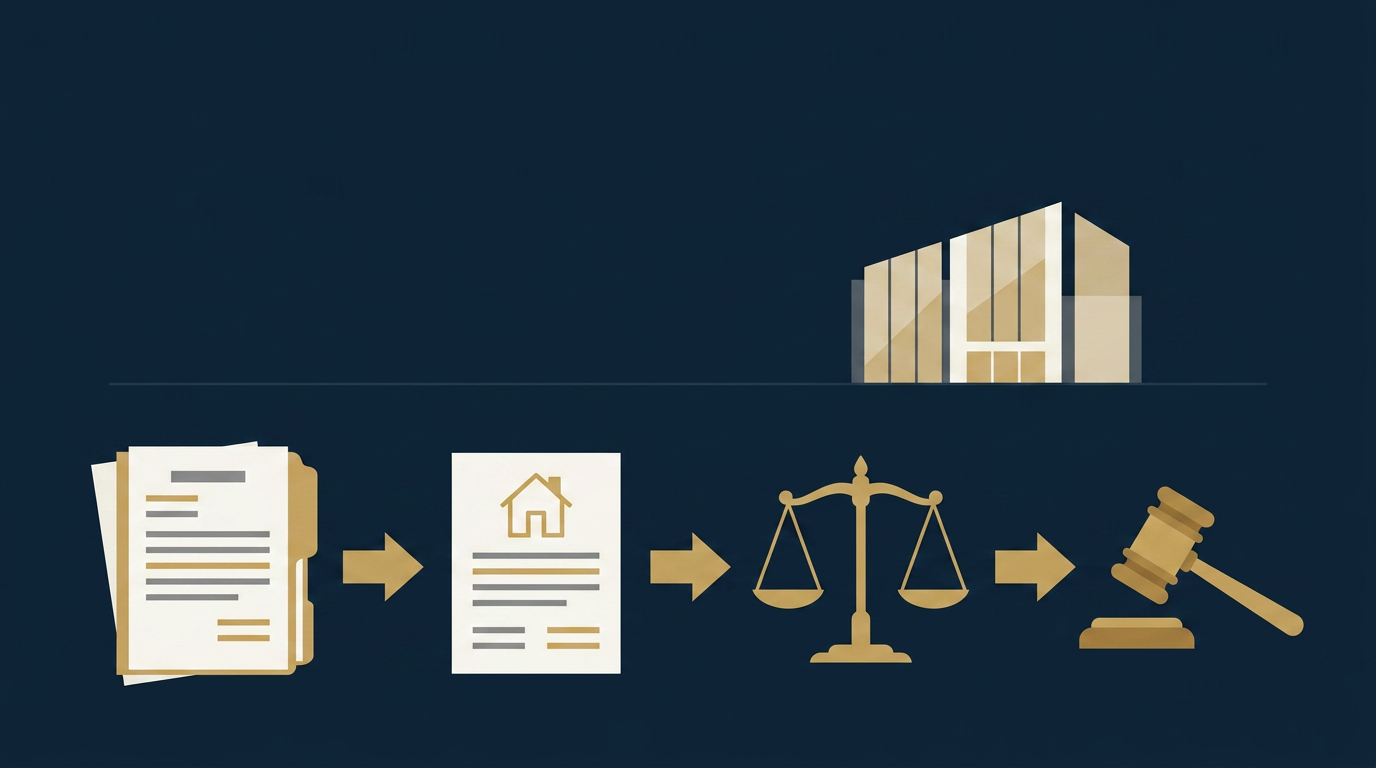
Before signing anything, engage a licensed conveyancer or property solicitor. They will review the contract, explain your rights, conduct title and property searches, and advise on any risks. Costs typically range from $800 to $2,500 depending on complexity and state.
Your conveyancer will negotiate any amendments to the contract, such as adding a finance clause or extending settlement. Once both parties sign, the contract becomes binding subject to any conditions. Ensure you understand your cooling-off rights before signing.
Order building and pest inspections and review all search results your conveyancer obtains. Address any issues — such as unapproved structures or encumbrances — before conditions expire. Your lender will also conduct a property valuation during this phase.
If a finance condition applies, you must formally obtain unconditional loan approval within the agreed timeframe. Failure to meet conditions correctly can put your deposit at risk. Notify your conveyancer immediately if there are any delays.
At settlement, your conveyancer coordinates with the seller's conveyancer and your lender to transfer funds and register the title in your name. In most states, this now occurs electronically via PEXA or Sympli. You receive the keys and become the legal owner upon settlement completion.
팩트에 기반한 판례·사례입니다. '원문 보기'를 클릭하면 국가법령정보센터 등 공식 출처로 이동합니다.
Mabo v Queensland (No 2) — recognition of native title
Whether native title is recognised at common law
The High Court held that native title exists and is recognised under Australian common law, overturning the doctrine of terra nullius.
※ Leading Australian precedent — reference only
팩트에 기반한 판례·사례입니다. '원문 보기'를 클릭하면 국가법령정보센터 등 공식 출처로 이동합니다.
* 위 수치는 ROY AI의 유사 사건 분석 기반 추정치입니다. 개별 사건의 결과와 다를 수 있으며, 법률적 조언이나 결과 보장이 아닙니다.
지금 상황을 입력하면 AI가 쟁점을 정리하고, 유사 사례 기반 결과 분포와 전문 로펌 연결까지 한 번에 제공합니다.
이 문서는 일반적인 법률 정보 제공 목적으로 작성되었으며, 개별 사건에 대한 법률 자문, 법적 조언, 또는 결과 보장이 아닙니다. 구체적인 법적 사안에 대해서는 반드시 자격을 갖춘 법률 전문가와 상담하시기 바랍니다. ROY Legal Insights는 정보 제공 서비스이며, 법무법인이 아닙니다. 최초 발행일: 2026.04.07.