
이 글은 일반적인 법률 정보 제공을 목적으로 작성되었습니다. 개별 사건에 대한 법률 조언이 아니며, 구체적인 법적 사안은 자격을 갖춘 법률 전문가와 상담하시기 바랍니다.
Understand slip fall premises liability in Australia — evidence, legal duties, time limits, and how to make a compensation claim.
Slip and fall accidents can cause serious injuries, from fractures and head trauma to long-term disability. If you were injured on someone else's property — a supermarket, car park, footpath, or workplace — you may have a legal claim under slip fall premises liability law. This guide explains the key legal concepts, evidence you need, and the steps to pursue compensation in Australia.
Property occupiers — businesses, councils, landlords, and private owners — owe visitors a duty of care under relevant state and territory legislation (such as Civil Liability Acts). This means they must take reasonable steps to prevent foreseeable harm. Whether that duty was met depends on factors like how obvious the hazard was, how long it had been present, and whether warnings were in place.
To succeed in a claim, you must show the occupier breached their duty of care and that breach directly caused your injury and losses. Courts assess what a reasonable person in the occupier's position would have done. Contributory negligence — where your own actions partly contributed to the fall — can reduce any compensation awarded.
Strict time limits apply. In most states and territories, personal injury claims must be commenced within three years of the date of injury, though exceptions exist for minors and cases where injury was not immediately apparent. Missing this deadline can permanently bar your claim.
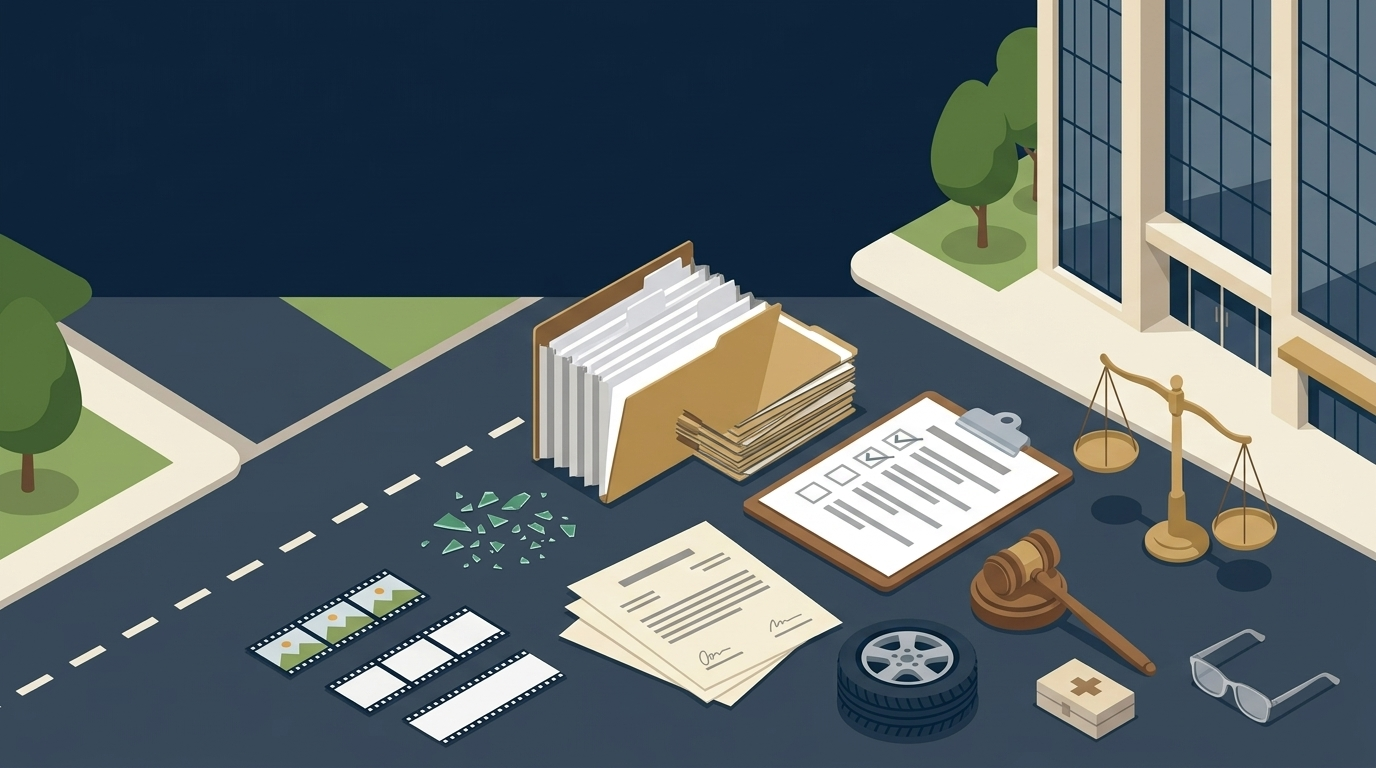

Get medical treatment immediately, even if injuries seem minor. Keep all records. Report the incident formally to the property owner or manager and request a copy of the incident report.
Return to the scene or send someone to photograph conditions. Write to the occupier and any insurer requesting CCTV be preserved. Collect witness contact details before memories fade.
Most personal injury lawyers offer free initial consultations and work on a no-win, no-fee basis. A lawyer will assess liability, quantify your damages (medical costs, lost wages, pain and suffering), and manage formal notification and claim lodgement within applicable time limits.
Yes. Local councils have a duty to maintain public footpaths in a safe condition. Claims against councils are governed by state legislation and often involve specific notice requirements and defences. Time limits can be shorter, so acting quickly is important.
Compensation in a slip fall premises liability claim may cover medical and rehabilitation expenses, lost income (past and future), pain and suffering, and care costs. The amount depends on injury severity, impact on your life, and applicable state law thresholds.
Contributory negligence may reduce your compensation but does not necessarily end your claim. For example, if you were found 20% at fault, your compensation would be reduced by 20%. Courts assess all circumstances, including whether the hazard was visible and avoidable.
Minor claims settled through negotiation may resolve within months. Complex claims involving serious injury, disputed liability, or proceedings in court can take one to three years or longer. Early legal advice helps manage the process efficiently.
Most slip and fall claims in Australia settle before reaching a courtroom through negotiation or mediation. Court proceedings are typically a last resort when liability is strongly disputed or settlement offers are inadequate.
Use ROY's free AI analysis to understand how the law applies to your specific situation.
This article provides general legal information only and does not constitute legal advice for your specific situation. Laws vary by state/territory. Consult a qualified lawyer for advice tailored to your circumstances.
팩트에 기반한 판례·사례입니다. '원문 보기'를 클릭하면 국가법령정보센터 등 공식 출처로 이동합니다.
Rogers v Whitaker — duty to warn of material risks
The scope of a doctor’s duty to warn of risks
The High Court held that a doctor has a duty to warn a patient of material risks, rejecting the strict Bolam approach and emphasising the patient’s right to be informed.
※ Leading Australian precedent — reference only
팩트에 기반한 판례·사례입니다. '원문 보기'를 클릭하면 국가법령정보센터 등 공식 출처로 이동합니다.
* 위 수치는 ROY AI의 유사 사건 분석 기반 추정치입니다. 개별 사건의 결과와 다를 수 있으며, 법률적 조언이나 결과 보장이 아닙니다.
지금 상황을 입력하면 AI가 쟁점을 정리하고, 유사 사례 기반 결과 분포와 전문 로펌 연결까지 한 번에 제공합니다.
이 문서는 일반적인 법률 정보 제공 목적으로 작성되었으며, 개별 사건에 대한 법률 자문, 법적 조언, 또는 결과 보장이 아닙니다. 구체적인 법적 사안에 대해서는 반드시 자격을 갖춘 법률 전문가와 상담하시기 바랍니다. ROY Legal Insights는 정보 제공 서비스이며, 법무법인이 아닙니다. 최초 발행일: 2026.04.07.